- May to October ensures uninterrupted access to Nihi Sumba’s famed beachfront and facilitates extensive equestrian journeys across the Praiyawang savanna.
- Shoulder months of April and November present a verdant landscape with reduced visitor numbers, offering a more intimate connection with Sumba’s natural rhythms.
- The wet season, December to March, transforms the island into a lush, emerald expanse, ideal for those seeking profound cultural immersion and the dramatic beauty of rain-fed waterfalls.
Sumba’s air carries the scent of sun-baked earth and distant ocean spray, a constant reminder of its raw, untamed character. Here, the rhythm of the seasons dictates the island’s pulse, influencing everything from the color of the savanna to the timing of ancestral Marapu ceremonies. Understanding this meteorological ballet is paramount for the discerning traveler seeking a truly transformative Sumba experience.
The Dry Season: Sumba’s Golden Months (May – October)
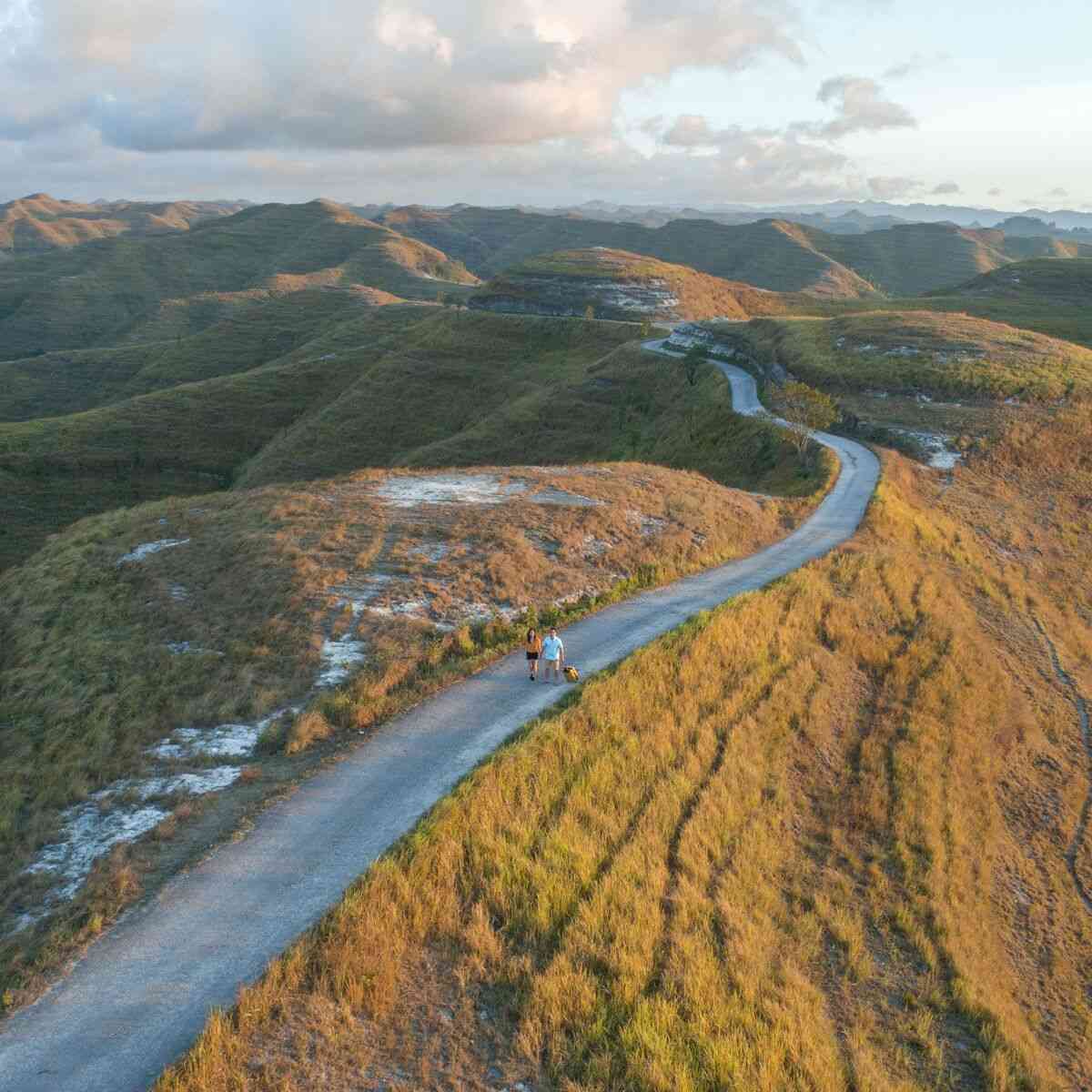
The period from May through October defines Sumba’s dry season, a span characterized by relentless sunshine and consistently low humidity. During these months, the island transforms into a palette of golden hues, where the vast Praiyawang savanna stretches endlessly, its grasses cured by the tropical sun. This is the preferred window for equestrian enthusiasts, as the firm, dry earth provides ideal conditions for exhilarating horseback rides, often culminating in sunset canters along pristine Marosi Beach. Access to remote areas, including the surf breaks near Pero and the secluded clifftop villas overlooking the Indian Ocean, is unhindered. Average daytime temperatures hover around 28-30°C, with refreshing ocean breezes providing respite. Nihi Sumba, located in West Sumba, experiences its peak conditions, offering crystal-clear waters for snorkeling, spearfishing, and uninterrupted exploration of its 2.5-kilometer private beachfront. Many guests plan their 7-14 day transformative journeys specifically within this timeframe to maximize outdoor engagement. The absence of significant rainfall ensures photographic clarity, capturing the island’s dramatic contours and the stark beauty of its ancient landscapes without interruption. This six-month window is consistently sought by UHNW travelers prioritizing extensive outdoor activities and optimal weather for their luxury Sumba retreat.
The Shoulder Seasons: Transitioning Splendor (April & November)
The months of April and November serve as Sumba’s shoulder seasons, offering a unique blend of conditions that appeal to those seeking a more nuanced engagement with the island. In April, the lingering effects of the wet season slowly recede, leaving behind a luxuriant, emerald landscape that retains its vibrancy. The rivers swell, and waterfalls cascade with impressive volume, yet the frequency of rainfall diminishes significantly, allowing for extended periods of sunshine. This transition provides excellent opportunities for exploring the island’s interior, where the rice paddies around Tarimbang glow with an intense green. Similarly, November marks the gentle onset of the wet season, with sporadic showers refreshing the parched earth and bringing a renewed vitality to the flora. The air holds a subtle humidity, and the cloud formations become more dramatic, painting the sky with spectacular sunsets. These two months often see fewer international visitors compared to the peak dry season, allowing for an even more exclusive and private experience. The water visibility for diving and snorkeling remains excellent for most of the period, particularly in April, before the full dry season sets in. For guests prioritizing both verdant scenery and comfortable conditions without the full intensity of the peak dry season, April and November present compelling alternatives for a luxury Sumba escape.
The Wet Season: Verdant Landscapes and Cultural Depth (December – March)
From December through March, Sumba embraces its wet season, a period of profound transformation where the island sheds its golden mantle for a resplendent green. While rainfall is more frequent, it often manifests as intense, short-lived tropical downpours, typically occurring in the afternoons or overnight, leaving mornings bright and clear. The island’s waterways surge, and previously dry riverbeds fill, creating dramatic natural spectacles, including numerous ephemeral waterfalls across West Sumba and towards Pero. This season is particularly potent for those seeking a deeper connection to Sumba’s spiritual and cultural heart. The heightened humidity and lush vegetation amplify the island’s raw, untamed essence, providing a powerful backdrop for ancestral healing practices and contemplative yoga sessions within your clifftop villa. The Marapu calendar often dictates significant ceremonies during this period, including the revered Pasola festival, typically held in February or March in specific villages like Lamboya and Wanokaka, an ancient ritual horse-fighting event that draws participants from across the island. (For specific dates, local Marapu leaders provide guidance, as timing is determined by lunar cycles.) While beach activities remain possible, the ocean can be choppier, and some roads may require 4×4 vehicles, adding an element of authentic adventure. For the UHNW traveler prioritizing cultural immersion, verdant landscapes, and a truly off-grid experience, the wet season offers a unique and powerful perspective on Sumba’s enduring spirit. Indonesia.travel provides further insights into Sumba’s cultural heritage.
Navigating Sumba’s Microclimates & Regional Nuances
Sumba, despite its relatively compact size of 11,050 square kilometers, exhibits subtle microclimates and regional variations that influence the luxury travel experience. West Sumba, home to Nihiwatu, Marosi, and Pero, generally receives more rainfall during the wet season compared to the eastern plains. This results in a more consistently verdant landscape on the western side, even during the drier months, particularly along the coastal fringes. The prevailing winds also shift with the seasons; the dry season brings southeasterly trade winds, which can be invigorating along the exposed clifftops and ideal for kitesurfing. Conversely, the wet season sees northwesterly monsoons, which can bring heavier swells to certain beaches while leaving others, like those sheltered near Tarimbang, relatively calm. East Sumba, encompassing the vast Praiyawang savanna and the area around Waingapu, tends to be drier and more arid, even during the wet season, creating its signature golden grasslands for much of the year. This difference means that while horseback riding is excellent across the savanna during the dry season, the western hills offer more shaded jungle treks. When planning a 7-14 day itinerary, a private chef can tailor menus to seasonal produce, which varies regionally. Understanding these nuances allows for a truly optimized luxury Sumba journey, whether it involves exploring the UNESCO-listed potential of traditional villages or simply enjoying the panoramic views from a private clifftop villa.
Calendar of Ancestral Rhythms: Marapu & Ikat Traditions
Sumba’s spiritual and artistic heritage is intrinsically linked to its seasonal calendar. The Marapu belief system, an ancestral religion unique to Sumba, dictates many of the island’s most significant ceremonies and rituals. While specific dates are often determined by the lunar cycle and local village elders, many harvest festivals and purification rites coincide with the transition periods between the wet and dry seasons, when agricultural cycles are most active. For instance, the Pasola festival, a highlight for many visitors, typically occurs after the first rice harvest, often in February or March, requiring careful planning for those wishing to witness this profound spectacle. Beyond grand festivals, the rhythm of ikat textile weaving also follows a seasonal pattern. The intricate process of dyeing and weaving, which can take months to complete a single, high-quality cloth, is often undertaken during the dry season when natural dyes dry efficiently under the sun and the weather allows for communal outdoor work. Collectors of these revered ancestral textiles find that visits during the dry season offer greater opportunities to observe the dyeing and weaving processes firsthand in traditional villages. The timing of your luxury Sumba visit can therefore profoundly enhance your engagement with the island’s living culture, offering a rare glimpse into traditions that remain deeply woven into daily life. Wikipedia.org provides further details on Sumba’s cultural context.
Air Travel & Logistics: Optimizing Your Arrival
Accessing Sumba, a remote UHNW alternative to Bali, requires careful consideration of flight schedules and seasonal demand. The island is served by two primary airports: Tambolaka (TMC) in West Sumba, the most convenient gateway for Nihiwatu and the western coast, and Waingapu (WGP) in East Sumba. Direct flights from Bali (Denpasar, DPS) are available daily, typically operated by commercial carriers like Garuda Indonesia and Wings Air. During the peak dry season (June-August), flight frequencies to Tambolaka (TMC) can increase, and demand for private charters intensifies. Booking well in advance, often 6-9 months prior, is advisable for a seamless luxury Sumba arrival, particularly for those planning a 7-14 day exclusive experience. The journey from Tambolaka Airport to your private clifftop villa at Nihi Sumba typically spans approximately 90 minutes by private vehicle, traversing scenic routes. During the wet season, while flights generally operate normally, occasional weather-related delays are possible, emphasizing the benefit of flexible travel arrangements. For those seeking maximum privacy and expedited transfers, private jet charters directly to Tambolaka (TMC) are increasingly utilized by Asia-Pacific family offices. Our team at luxurysumba.com assists with all logistical arrangements, ensuring your journey to this off-grid eco-lodge is as refined as your stay.
Choosing the ideal time for your luxury Sumba experience transcends mere weather forecasts; it involves aligning your intentions with the island’s natural and cultural rhythms. Whether drawn by the golden savannas of the dry season, the verdant splendor of the shoulder months, or the profound cultural immersion of the wet season, Sumba offers a transformative retreat year-round. We invite you to explore the unique possibilities of a truly off-grid Indonesian experience. Discover your perfect season for a luxury Sumba journey by visiting luxurysumba.com, where bespoke itineraries await. To delve deeper into our exclusive offerings, including private chef services and ancestral healing programs, explore the possibilities at luxurysumba.com/private-retreats-sumba/.