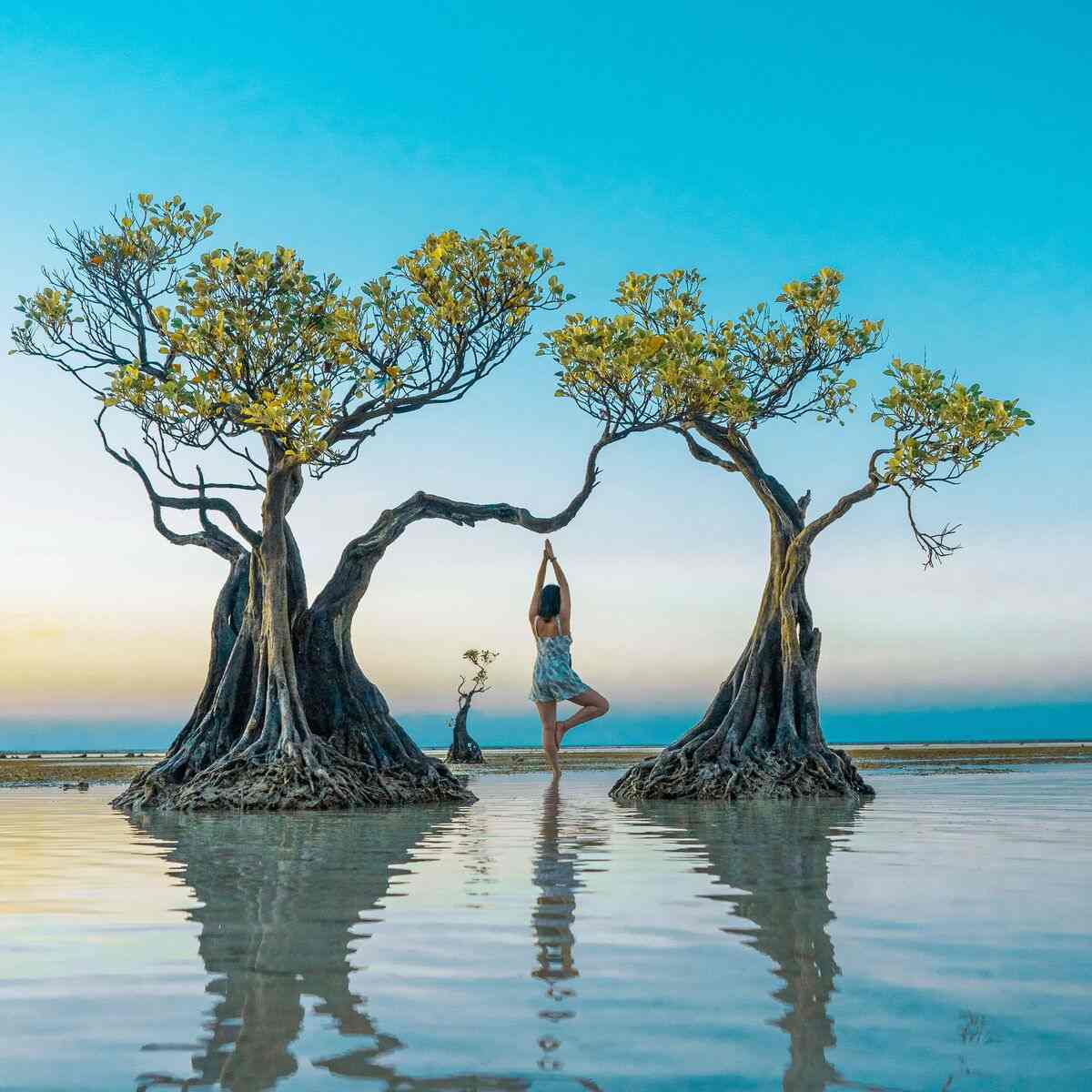
The dry season wind carries the scent of sandalwood across Savu Sea. Sumba, an island of ancient rituals and wild beauty, reveals a distinct luxury.
The Sumba Difference: Beyond Conventional Luxury
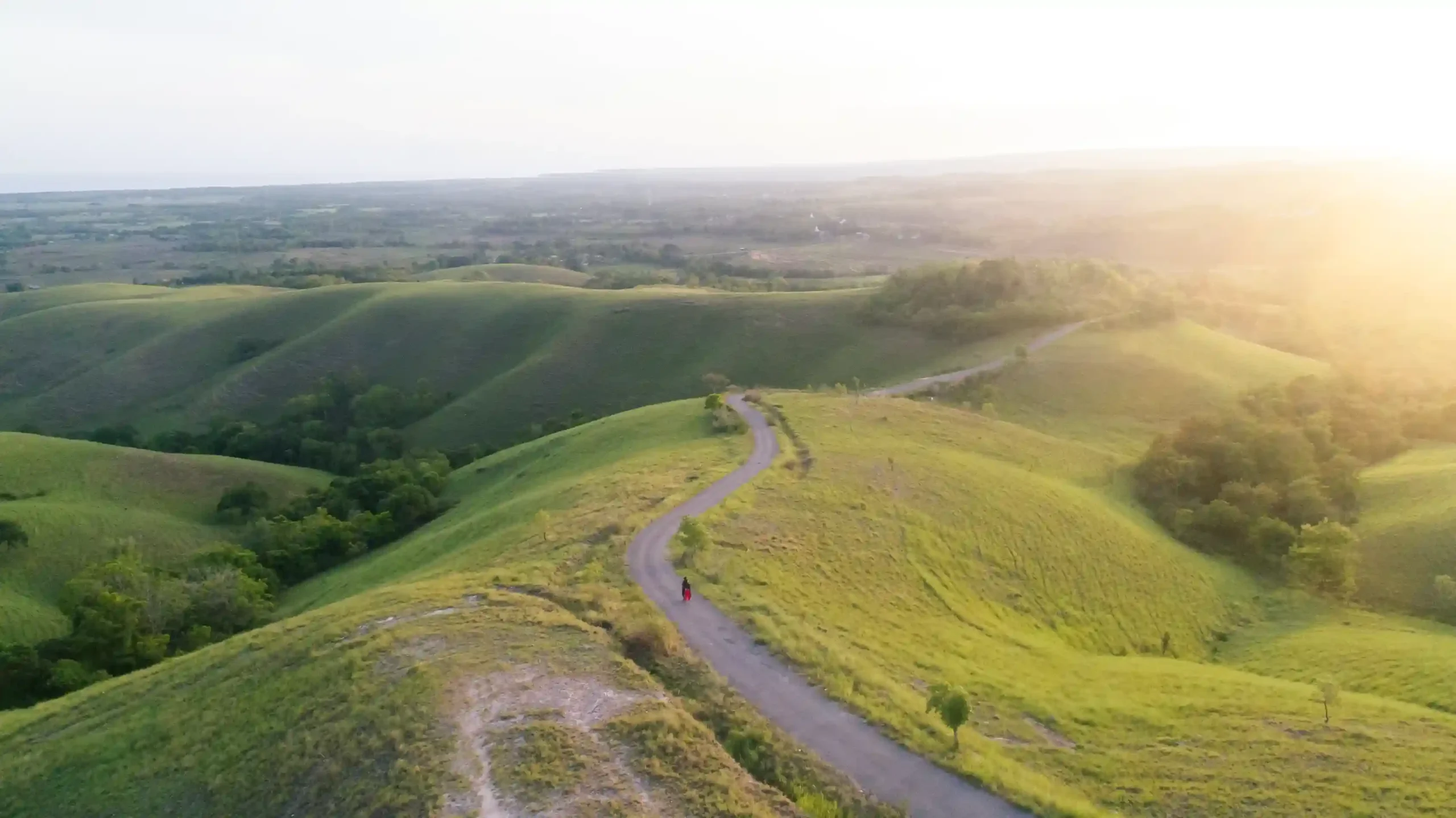
Sumba, an island in Indonesia’s East Nusa Tenggara province, offers a rare form of luxury, distinct from its more developed counterparts. This is not about manicured landscapes but about raw, untamed nature meeting refined hospitality. The island spans approximately 11,000 square kilometers, hosting a population of around 800,000 people. Its western half, Sumba Barat, is home to Nihi Sumba, while the eastern Sumba Timur features Lelewatu Resort. This geographical separation contributes to diverse micro-climates and cultural nuances across the island.
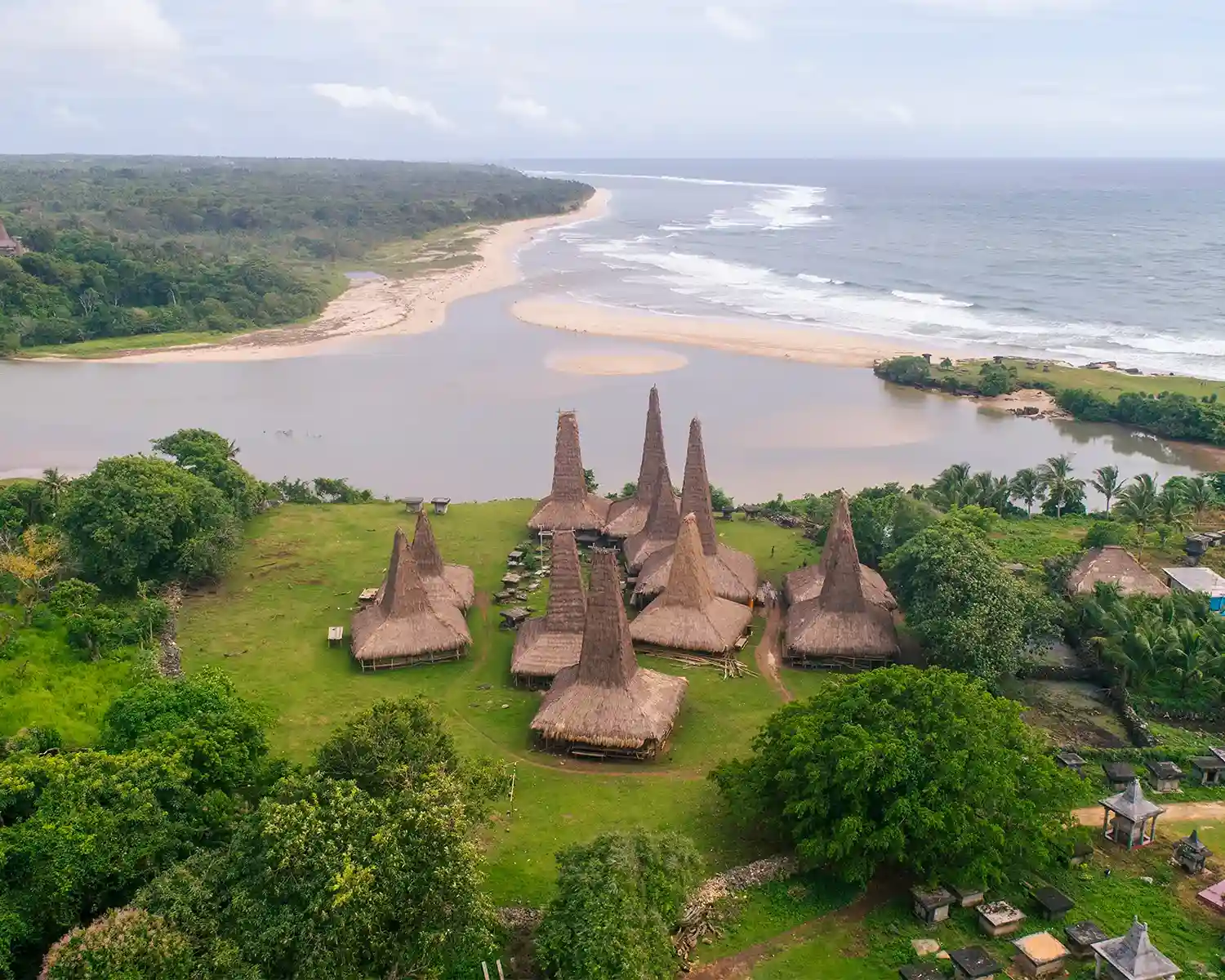
The island’s appeal lies in its commitment to preserving traditional Marapu culture and its pristine environment. For example, the Sumba Foundation, established in 2001, works to provide humanitarian aid to local villages, focusing on water, health, and education. Guests often find themselves drawn to this deeper connection, supporting initiatives that directly impact the community. This contrasts sharply with the mass tourism models found elsewhere. Travel to Sumba is often a conscious decision, a search for authenticity and a contribution to sustainable practices. Visitors engage directly with local artisans, witness traditional ikat weaving, and observe ancient megalithic tombs. The island maintains a low-density tourism footprint, ensuring a sense of seclusion and exclusivity. Direct flights from Bali (Denpasar, DPS) to Tambolaka (TMC) take approximately 1 hour and 15 minutes, connecting travelers to this unique destination. This controlled access helps maintain the island’s character, preventing over-development and preserving its ecological integrity.
Epitomes of Indulgence: Nihi Sumba and Lelewatu Resort
Luxury on Sumba finds its pinnacle in two distinguished resorts: Nihi Sumba and Lelewatu Resort. Each offers a unique interpretation of the island’s spirit, catering to the discerning traveler seeking privacy and bespoke service. Nihi Sumba, consistently ranked among the world’s best, opened its doors in 2000 and redefined luxury travel with its “Edge of Wildness” philosophy. The resort features 27 villas, each a private sanctuary offering ocean views and personal staff. Guests at Nihi Sumba engage in activities like surfing the iconic Occy’s Left, a private wave accessible only to resort guests, or exploring the Mandara Spa, built into a cliff face overlooking the ocean. The resort’s commitment extends to local community support through the Sumba Foundation, a portion of every stay directly funding the foundation’s initiatives.
Lelewatu Resort, established in 2017, presents a different facet of Sumba’s luxury. Situated on the eastern side of the island, Lelewatu also offers 27 villas, each designed with traditional Sumbanese architecture and private pools. The resort emphasizes equestrian culture, with a dedicated stable and opportunities for horseback riding along deserted beaches and through local villages. Its Mandara Spa provides a range of treatments inspired by local healing traditions. For those seeking even greater privacy, Maringi Cliff House, a private villa option, provides an exclusive retreat with dedicated service. Both resorts prioritize personalized experiences, from private dining on the beach to guided cultural excursions. Transportation from Tambolaka Airport (TMC) to Nihi Sumba typically takes 90 minutes by private vehicle, covering approximately 45 kilometers. From Waingapu Airport (WGP) to Lelewatu Resort, the drive averages 2 hours, spanning about 70 kilometers. These journeys are part of the transition into Sumba’s tranquil rhythm.
Bespoke Adventures: Culture, Surf, and Equine Heritage
Sumba’s allure extends beyond its luxurious accommodations, offering a spectrum of bespoke activities tailored to individual interests. For the culturally inclined, the annual Pasola festival presents an exceptional opportunity. This ancient ritual, a spear-throwing cavalry charge between two groups of Sumbanese men, takes place in February or March, with specific dates announced close to the event. It is a profound demonstration of Marapu spiritual beliefs and a vibrant spectacle of horsemanship. Access to the festival for UHNW travelers is often arranged through private guides and VIP viewing areas, ensuring comfort and insight into the ceremonies. The island’s horse culture is deeply ingrained, with the Sandalwood Pony playing a central role in local life. Guests can participate in private riding lessons or guided treks along remote coastlines and through traditional villages.
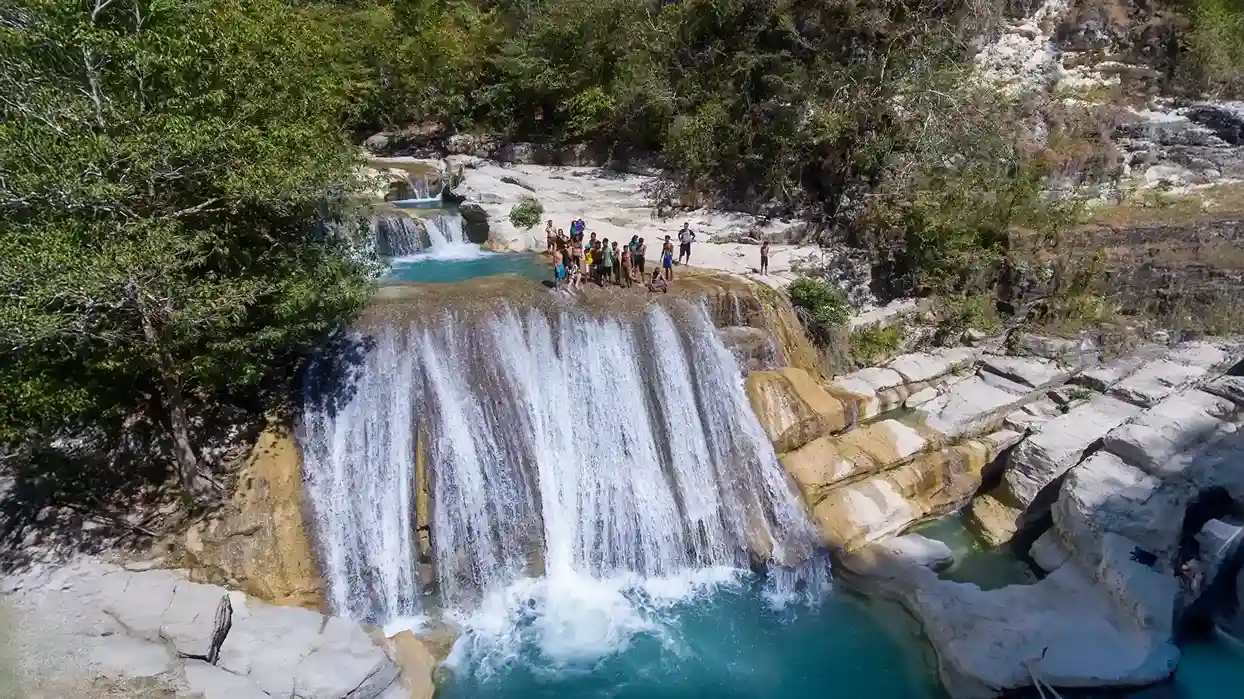
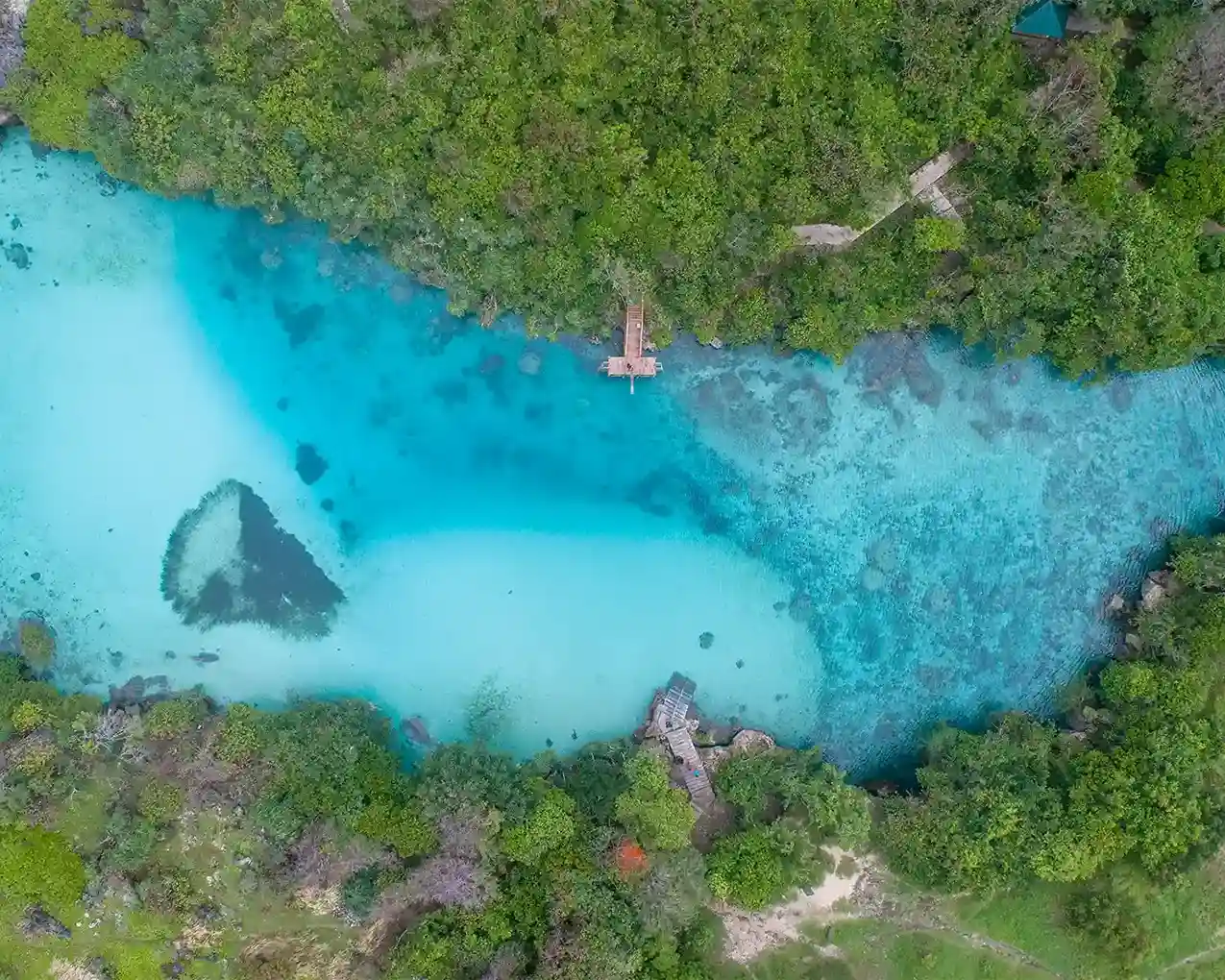
Surfing enthusiasts find Sumba a premier destination. The island boasts top-tier breaks, notably Occy’s Left at Nihi Sumba, available exclusively to resort guests. Other breaks, suitable for various skill levels, are accessible via private boat charters. The prime surf season runs from April to October, offering consistent swells and favorable weather. Beyond the waves, Sumba’s natural landscape invites exploration. Waterfall excursions to Lapopu, with its tiered cascades, or Weekuri Lagoon, a natural saltwater pool, provide refreshing respites. Private island charters offer opportunities to discover uninhabited islets, complete with gourmet picnics and snorkeling in untouched coral gardens. These experiences are meticulously planned, ensuring privacy and an authentic connection with Sumba’s environment. The island’s highest point, Mount Wanggameti, reaches 1225 meters, offering challenging treks and panoramic views for the adventurous. For more information on Sumba’s rich cultural heritage, consult resources like Wikipedia’s Sumba entry.
Navigating Sumba: Private Access and Seamless Transitions
For the discerning traveler, seamless logistics are paramount when traveling to Sumba. The island is served by two main airports: Tambolaka Airport (TMC) in West Sumba and Waingapu Airport (WGP) in East Sumba. Most luxury travelers opt for private jet charters directly to Tambolaka, offering exceptional convenience and privacy. Aircraft such as the Gulfstream G650 or Bombardier Global 7500 are common choices, landing directly on the island. Upon arrival, private helicopter transfers are available to transport guests directly to their resort’s helipad, minimizing ground travel time. For those preferring ground transport, resorts provide luxury SUVs with professional drivers, ensuring a comfortable and secure journey.
Connecting flights from major international hubs like Singapore (SIN) or Hong Kong (HKG) typically route through Bali (DPS) or Jakarta (CGK) before reaching Sumba. Private jet services often bypass these commercial hubs entirely, flying direct or with a minimal stopover. The coordination of these intricate travel arrangements falls under the purview of dedicated luxury travel specialists, ensuring every detail, from customs expedited clearance to luggage handling, is managed with precision. The time zone for Sumba is WITA (Central Indonesian Time), which is GMT+8. This careful planning ensures that the journey to Sumba is as effortless and refined as the stay itself, allowing guests to relax from the moment they depart. Security protocols are stringent, with private security details available upon request, providing peace of mind throughout the trip. Explore more about Indonesia’s diverse destinations at Indonesia Travel.
Crafting Your Sumba Itinerary: A Framework for Discerning Travelers
Designing a luxury itinerary for Sumba requires a nuanced understanding of the island’s seasonality, unique offerings, and the specific desires of the traveler. The dry season, from April to October, is generally considered the optimal time for travel, offering sunny skies and calmer seas for water activities. However, the wet season, from November to March, brings lush green landscapes and fewer visitors, appealing to those seeking ultimate solitude. Planning around specific events like the Pasola festival necessitates flexibility, as dates are determined by traditional lunar cycles. A typical stay at Nihi Sumba or Lelewatu Resort ranges from five to ten nights, allowing ample time for both relaxation and exploration.
Bespoke travel planners specialize in tailoring every aspect of the journey. This includes securing specific villas, arranging private chef services for in-villa dining, and coordinating personalized wellness programs at the Mandara Spa. For families, dedicated children’s programs and nannies can be arranged. Adventure seekers might prioritize a multi-day surf safari or an expedition to remote villages. Cultural enthusiasts often request private audiences with local elders or visits to traditional ikat weaving workshops. Due diligence trips for family offices or investment groups also form a segment of Sumba’s luxury travel, requiring discreet and efficient arrangements. Sustainability considerations are increasingly important; reputable operators ensure that all activities adhere to ethical and environmentally responsible practices. This meticulous planning ensures that each luxury Sumba experience is not merely a trip, but a profound engagement with a truly distinctive destination.
For exceptional access to Sumba’s exclusive resorts, private island charters, and bespoke cultural experiences, begin your journey with us. We specialize in crafting personalized itineraries that reflect the pinnacle of luxury travel. Visit luxurysumba.com to discover how your extraordinary Sumba adventure can be realized.