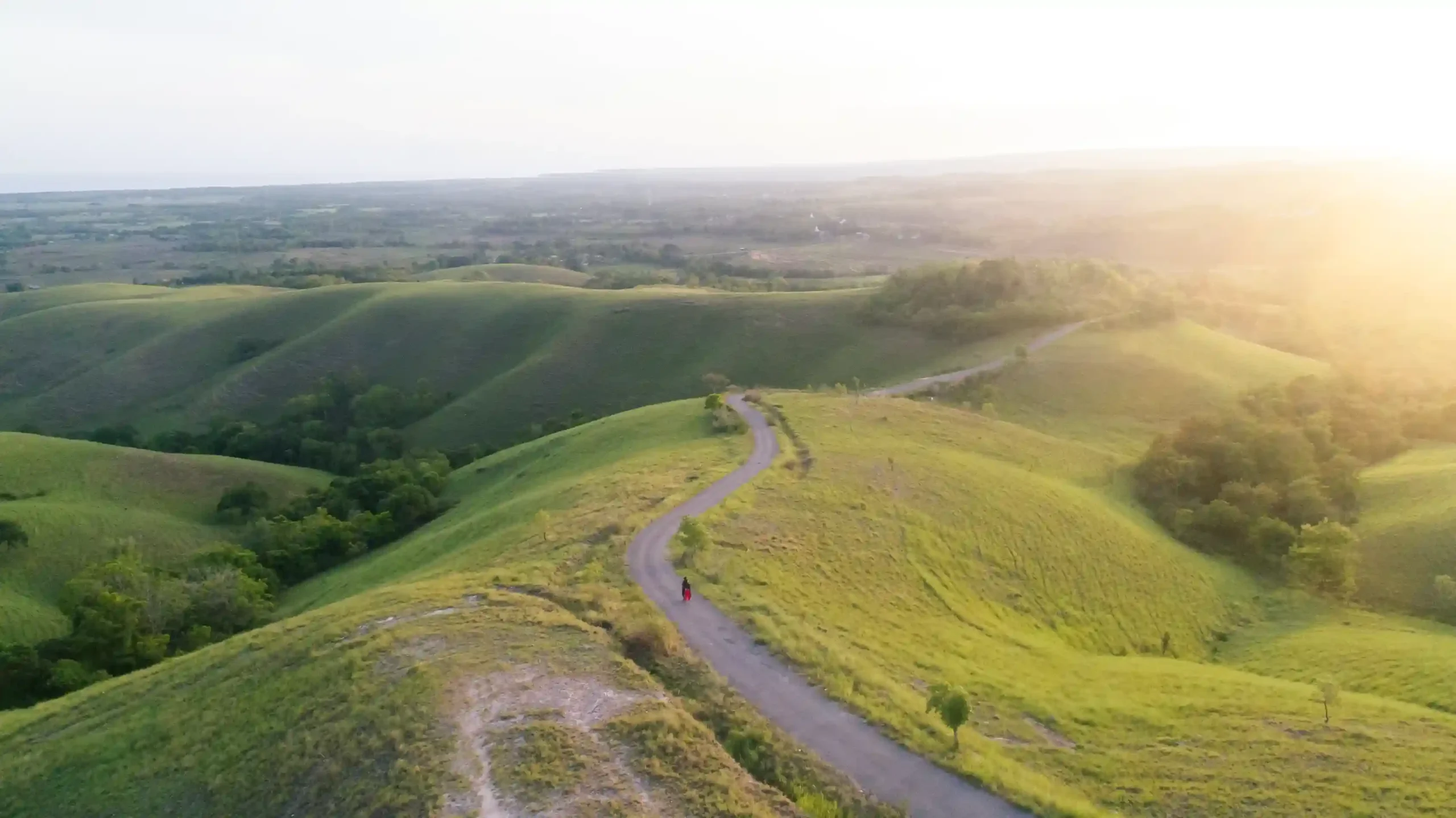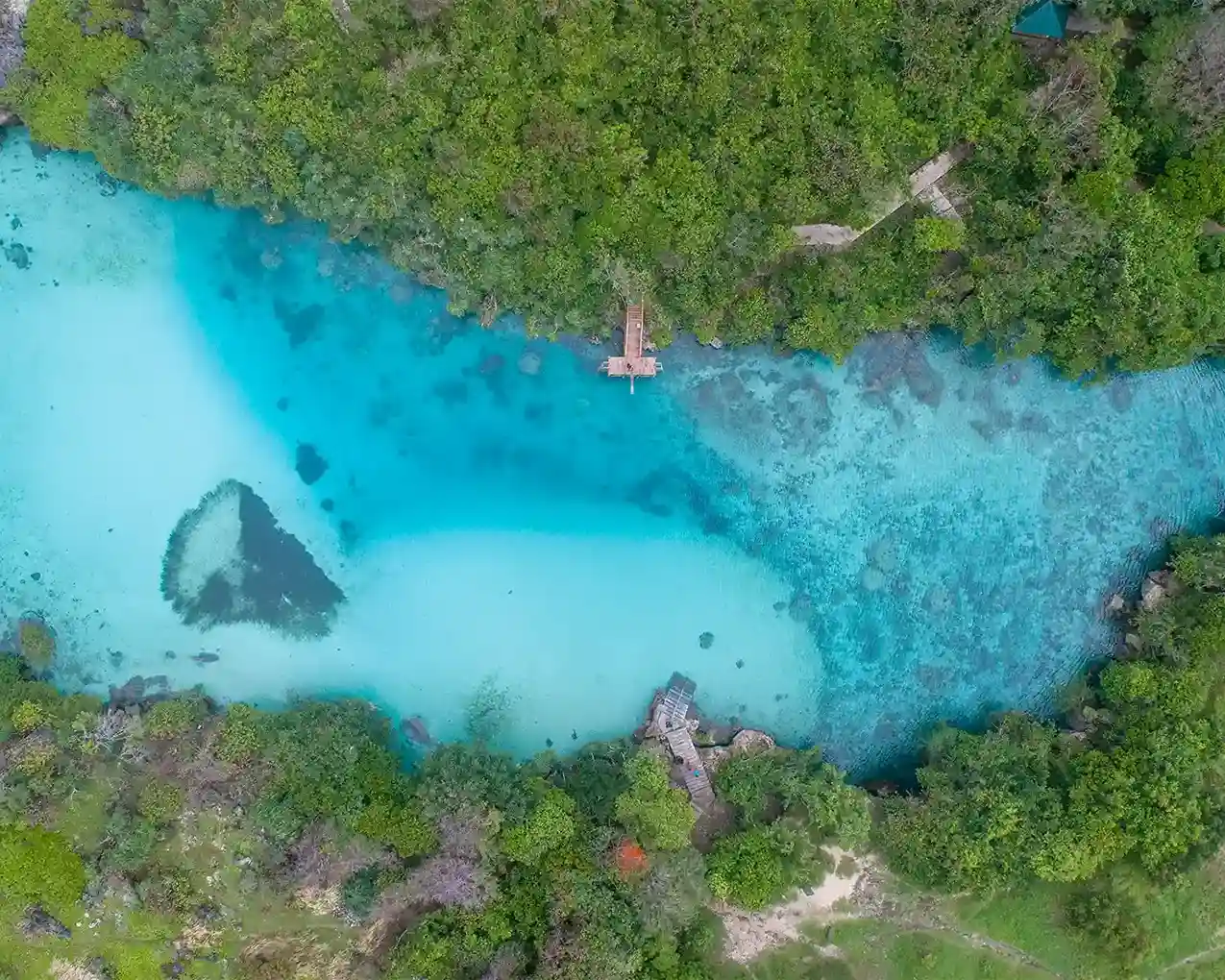
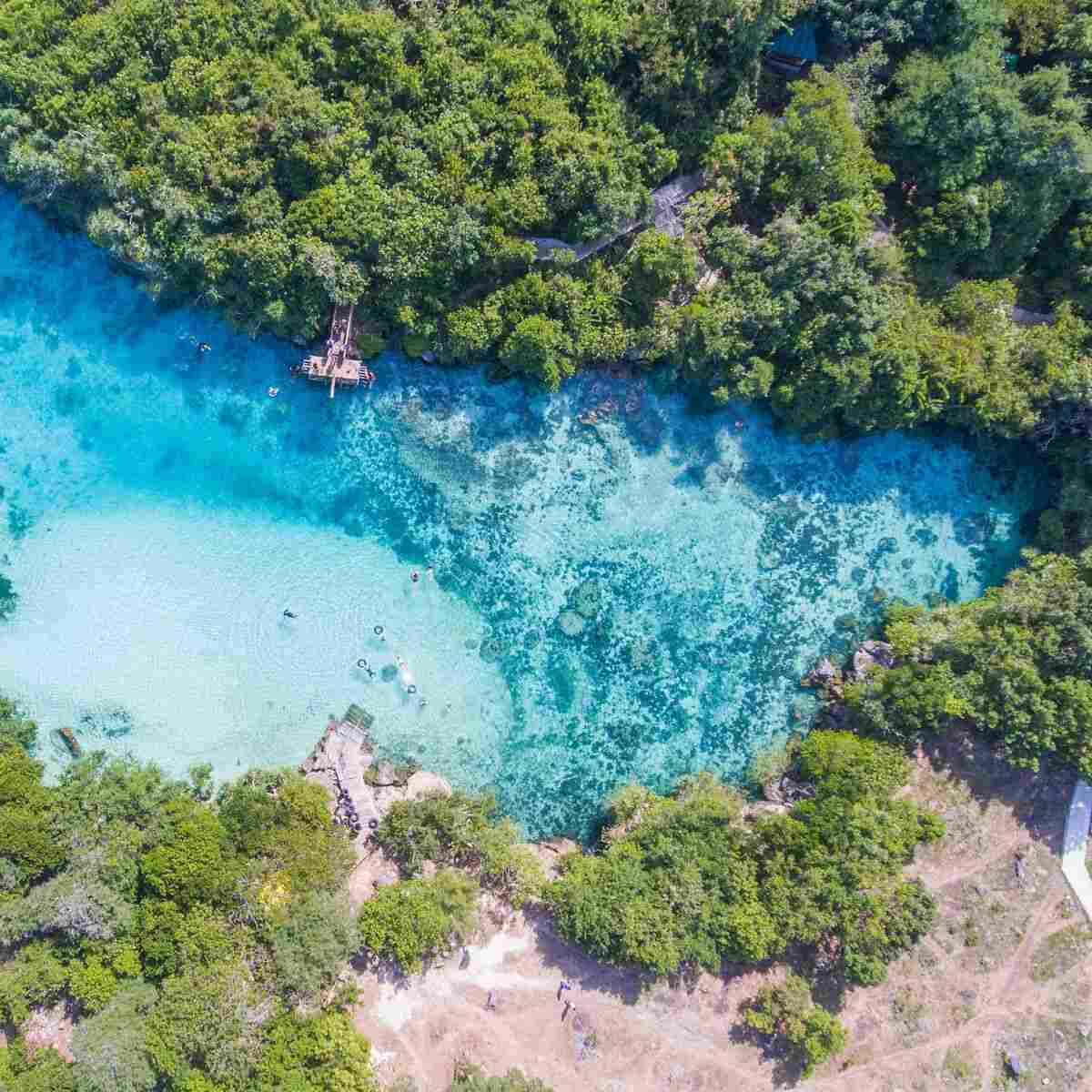
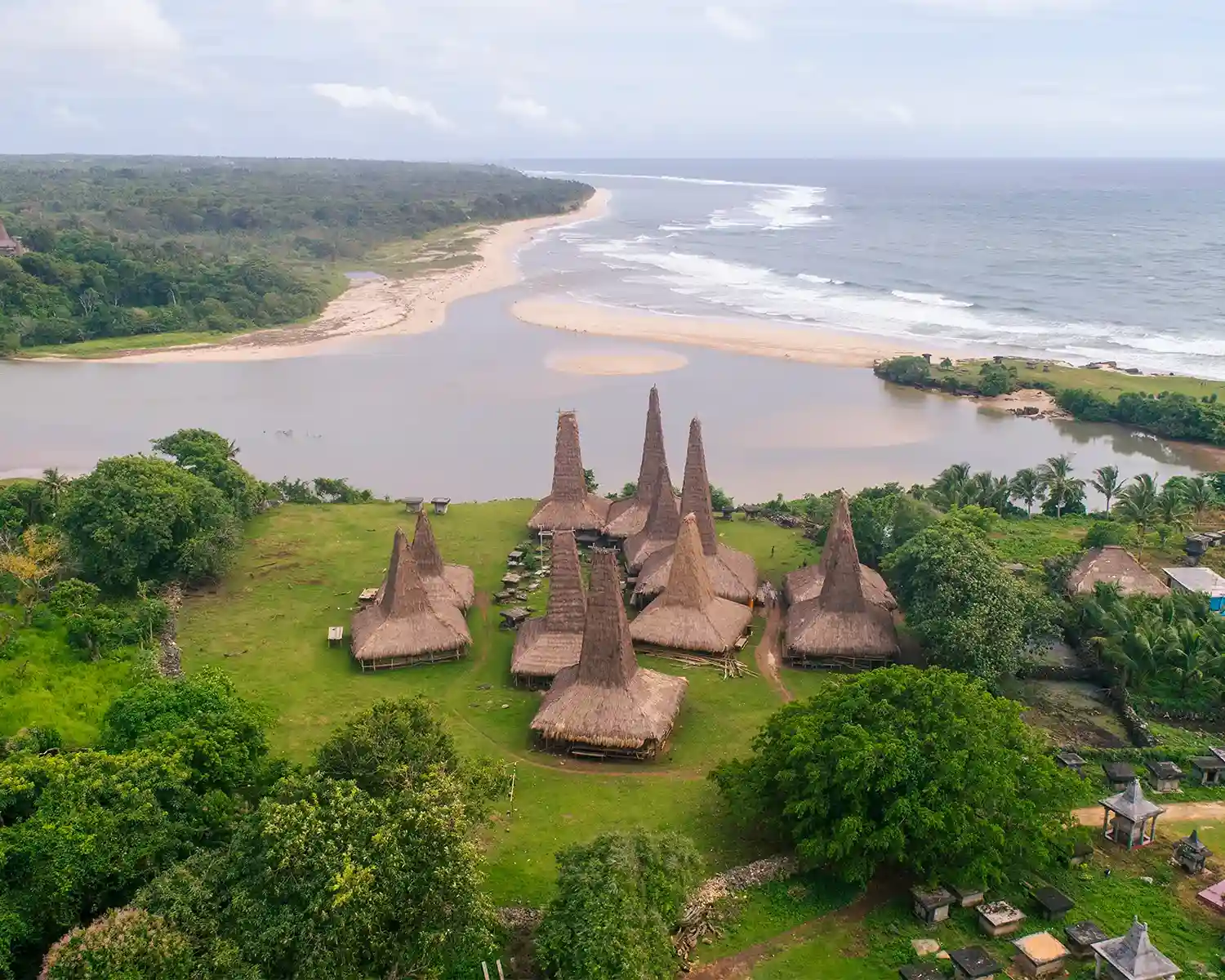
Luxury Sumba answers the questions our guests ask most before committing to a private journey across Bali and Sumba, from resort rates and seasons to flights, villas, and on-island experiences. We operate in Bali and Sumba under Indonesia Juara Trip, part of Juara Holding Group since 2015, and every answer below reflects how we actually plan and run these trips.
Trip Costs and Pricing
How much does a luxury Bali and Sumba trip cost?
As of August 2026, indicative building blocks are: Bali private touring from USD 250 per day with a luxury car and driver, VIP fast-track at Denpasar airport from USD 160, Sumba car and senior driver around USD 120-180 per day, and Sumba resorts from roughly USD 1,000+ per night at Nihi Sumba, with Lelewatu and Cap Karoso positioned as premium-boutique below that. Flights, season, and villa category move the total, so every combined trip is priced as a tailored quote within 24 hours. See our Sumba resort price breakdown for line-by-line figures.
How much does it cost to stay at Nihi Sumba per night?
As of August 2026, Nihi Sumba starts from roughly USD 1,000+ per night, rising with villa size, season, and demand. The resort has only 27 private villas, each with its own pool, and distinguishes a dry season (April-November) from a green season (December-March); peak dates often carry waitlists. Treat any figure as indicative – we confirm the live rate for your exact dates and villa category in a tailored quote within 24 hours.
How much do Lelewatu and Cap Karoso cost compared to Nihi Sumba?
Both are premium-boutique properties that generally sit below Nihi Sumba’s entry level, which starts from roughly USD 1,000+ per night as of August 2026. Lelewatu is a clifftop villa resort in West Sumba; Cap Karoso is a design-led beach resort in Southwest Sumba with farm-to-table dining. Their nightly rates shift with villa category and season, so we quote both live for your dates rather than publish figures that age quickly.
What is included in a Bali Sumba luxury package?
A typical combined package covers your Bali hotel pickup and private touring with an Alphard-class car and driver, VIP fast-track at Denpasar airport (from USD 160 as of August 2026), arrangement of the roughly 75-minute flight to Tambolaka, airport meet-and-greet in Sumba, a dedicated car and senior driver there, your chosen resort stay, and 24/7 concierge support across both islands. Dining plans differ by resort, so your written quote lists every inclusion line by line.
How much does VIP fast-track cost at Bali airport?
From USD 160 as of August 2026. The service covers a personal greeter on arrival, escorted fast-track through immigration, baggage assistance, and escort to your car or to the domestic terminal for the Sumba flight. Pricing varies with party size, arrival versus departure, and add-ons such as lounge access, so the exact figure for your group is confirmed in your tailored quote. Most Bali-Sumba guests book it for the international arrival day.
How much is a private full-day tour in Bali with a luxury car and driver?
From USD 250 per day as of August 2026, based on our own Alphard-class fleet with an experienced English-speaking driver; Rolls-Royce and other prestige vehicles are available on request at higher rates. Ubud, Uluwatu, and Tanah Lot routes all fit within a full day. Entrance fees, dining, and special experiences are quoted separately, and your itinerary states exactly what each touring day includes before you commit.
How much does it cost to hire a luxury car with a private driver in Sumba?
Around USD 120-180 per day as of August 2026, depending on vehicle class and distances driven. Sumba is a large island – Tambolaka airport to the west-coast resorts is roughly a 90-minute drive – so most guests keep one dedicated 4×4-capable car and senior driver for the entire stay rather than booking transfers piecemeal. The daily rate is itemized in your quote alongside resort and flight costs.
What budget should we plan for a luxury Bali and Sumba honeymoon?
Anchor your budget on the Sumba resort, the largest single line: Nihi Sumba from roughly USD 1,000+ per night as of August 2026, with Lelewatu and Cap Karoso below that. Then add Bali touring from USD 250 per day, VIP fast-track from USD 160, flights, and romantic extras such as private dinners or spa days. Because season and villa choice swing totals widely, we price each honeymoon individually as a tailored quote within 24 hours. Sample pairings and pricing logic are on our Sumba luxury honeymoon page.
How much does a 7-day luxury holiday in Sumba cost for a couple?
The resort choice sets most of the total: as of August 2026, Nihi Sumba runs from roughly USD 1,000+ per night, while Lelewatu and Cap Karoso are premium-boutique alternatives below that level. Add a car and senior driver at around USD 120-180 per day for island touring, plus flights and experiences. A week is the duration most guests find ideal for Sumba, and we return an exact itemized quote within 24 hours.
Is there an all-inclusive Bali and Sumba luxury package, and what does it cost?
Yes – combined packages spanning both islands are exactly what we design: one team handles your Bali hotel pickup, touring, airport fast-track, the Tambolaka flight, and the Sumba resort stay. True costs depend on resort tier and season, since Nihi alone starts from roughly USD 1,000+ per night as of August 2026. Rather than one advertised bundle price, you receive an itemized tailored quote within 24 hours showing precisely what is included.
Do Sumba luxury resort rates change between dry season and green season?
Yes. Sumba’s resorts distinguish a dry season (April-November) from a green season (December-March), and dry-season plus festive dates price highest – Nihi Sumba’s most sought-after weeks can carry waitlists. Starting points such as Nihi from roughly USD 1,000+ per night, as of August 2026, are seasonal floors that rise with demand, not locked year-round rates. If your dates are flexible, green-season travel often secures better villa value; we advise on this when preparing your quote.
Which is more expensive – a luxury stay in Bali or in Sumba?
At the very top end, Sumba usually costs more per night: Nihi Sumba starts from roughly USD 1,000+ as of August 2026, above the entry point of most Bali five-star resorts, reflecting its 27-villa scale and remote private coastline. Sumba’s premium-boutique options, Lelewatu and Cap Karoso, sit closer to Bali’s luxury norm. Ground costs are comparable – Bali touring from USD 250 per day versus a Sumba car and driver around USD 120-180 per day.
How much does it cost to get from Bali to Sumba?
The Denpasar-Tambolaka flight takes about 1 hour 15 minutes, and fares are set by airlines and change daily, so we confirm them live in your quote rather than publish a number that would quickly date. As of August 2026, plan alongside it for VIP fast-track at Denpasar from USD 160 and your Sumba pickup, covered within car-and-driver hire at around USD 120-180 per day. Helicopter and small-plane charters are priced individually on request.
How do I get an exact price for a combined Bali-Sumba trip?
Share your dates, party size, preferred resorts, and travel pace, and you receive a tailored quote within 24 hours. Trip designer Rama Setiawan builds the itinerary, and the quote itemizes each component – resort nights, Bali touring, VIP fast-track, flights, and the Sumba car and driver – so nothing is bundled invisibly. Because resort rates are seasonal, figures remain indicative until availability is confirmed for your exact dates, which we state transparently.
Do I need to pay a deposit to book a Bali and Sumba luxury trip?
Yes. A deposit is required to confirm resort villas and flight arrangements – unavoidable when Sumba’s flagship holds just 27 villas and peak weeks carry waitlists – with the balance due closer to departure. The exact deposit amount, payment schedule, and cancellation terms are written into your quote before you commit anything, so you can review every condition first. As of August 2026 we recommend securing peak-season villas several months ahead.
Can I pay for a Bali Sumba trip in USD or IDR?
Quotes are presented in USD as of August 2026, since Sumba’s resorts price their villas in dollars. Accepted payment methods and any currency options for settlement are confirmed in writing with your quote before any money changes hands. If you plan to compare against IDR figures, note that conversions are indicative only and depend on your bank’s rate on the day. Day-to-day extras on the islands are typically settled locally in rupiah.
Is there a fee for designing a bespoke Bali-Sumba itinerary?
Itinerary design is built into your trip price rather than billed as a separate published planning fee. Rama Setiawan drafts the routing – resorts, flights, touring days, pacing – and returns a tailored quote within 24 hours; you then refine it as often as needed before confirming. You pay for the trip components themselves, such as Bali touring from USD 250 per day or VIP fast-track from USD 160, as of August 2026.
Is a luxury trip to Sumba worth the money?
For travelers who prize privacy, wild coastline, and cultural depth, generally yes: Nihi Sumba is among the world’s most awarded resorts – twice named world’s best by a leading travel magazine and holder of three Michelin Keys as of 2025 – and the island remains genuinely uncrowded. If your ideal holiday is nightlife, shopping, and restaurant variety, Bali serves that better, which is why our combined itineraries pair both islands in one journey.
What extra costs should I expect on top of the resort rate in Sumba?
Budget for resort taxes and service charges added to published rates, premium activities such as spa treatments, horseback rides, and surf sessions, drinks outside your meal plan, tips for drivers and guides, and travel insurance. Ground transport is predictable: a car and senior driver runs around USD 120-180 per day as of August 2026. Your tailored quote marks which items are already included so surprises are limited to what you choose to add.
How much is a private pool villa with butler service in Sumba?
Most staffed private-pool villas in Sumba sit inside resorts: every one of Nihi Sumba’s 27 villas has its own pool, from roughly USD 1,000+ per night as of August 2026, while Lelewatu and Cap Karoso offer premium-boutique villa categories below that. True standalone staffed villas are still rare on the island and are quoted individually by dates, bedrooms, and staffing level – tell us your party size and we will price the options within 24 hours.
Itineraries and Getting There
How does a combined Bali and Sumba luxury trip work?
A combined Bali and Sumba journey runs as one continuous itinerary managed by a single operator across both islands. You typically begin in Bali, where international flights land, then take a short domestic flight of about 1 hour 15 minutes to Sumba. The same team arranges your Bali hotel pickup, fast-track assistance at Denpasar airport, the inter-island flight, and your arrival transfer in Sumba, so the two islands feel like chapters of one trip rather than two separate bookings.
Can one operator handle both Bali and Sumba?
Yes, and it is worth insisting on. An operator with its own teams on both islands coordinates drivers, villas, guides, and the connecting flight as one plan, with one point of contact throughout. Many agencies quietly subcontract the Sumba leg to a local third party, which is where handovers break down. Ask directly whether the same company controls both islands; the answer determines how smooth the middle of your trip feels.
How many days do I need for a combined Bali and Sumba trip?
Nine days and eight nights is the sweet spot: four nights in Bali and five in Sumba. A 7-day, 6-night version works if your time is tight, and 12 days, 11 nights suits travelers who prefer an unhurried pace. Sumba generally deserves slightly more nights than Bali because distances on the island are long and its beaches and villages reward slow mornings rather than a checklist pace.
What does a 9-day Bali and Sumba itinerary look like?
A typical 9-day, 8-night structure gives Bali four nights and Sumba five. Days one to four cover arrival at Denpasar, time to settle in, and Bali’s dining, spa, and cultural highlights. On day five you fly about 1 hour 15 minutes to Tambolaka or Waingapu and transfer to your villa. Days five to nine are for Sumba’s beaches, savannah, and traditional villages, before flying back through Bali for your international departure.
Is 7 days enough for Bali and Sumba?
Seven days and six nights is workable but deliberately edited: usually two to three nights in Bali and three to four in Sumba. You will see the essence of both islands, not everything, and long Sumba drives mean choosing one region rather than circling the island. The format suits repeat Bali visitors who mainly want Sumba, or travelers building the trip around fixed leave dates. If you can add two days, add them to Sumba.
Is a 12-day Bali and Sumba itinerary worth it?
Yes, if you want the trip to breathe. Twelve days and eleven nights removes the time pressure a shorter split creates: Bali gets proper rest and culture rather than a stopover feel, and Sumba’s far-apart beaches, waterfalls, and villages can be explored without long back-to-back drives. It also leaves room for a buffer night in Bali before your international flight home, which is a sensible cushion against domestic schedule changes.
Should I visit Bali or Sumba first?
Most travelers start in Bali because international flights land there, making it the natural place to recover from jet lag before the onward flight. Ending in Sumba means finishing on seclusion and quiet, which honeymooners tend to prefer; ending in Bali makes the trip home simpler, since you sleep near the airport rather than relying on a same-day domestic connection. Both directions work, and the choice usually follows your international flight times.
How do I get from Bali to Sumba?
You fly. Scheduled domestic flights connect Denpasar with Tambolaka in west Sumba and Waingapu in the east, taking about 1 hour 15 minutes. There is a sea route, but it is slow and basic, so it does not suit a luxury schedule. On an integrated journey the operator books the flight, collects you from your Bali hotel in time for it, and has a driver waiting at the Sumba airport when you land.
How long is the flight from Bali to Sumba?
About 1 hour 15 minutes from Denpasar to either Tambolaka or Waingapu. The flight itself is short; the honest planning number is the door-to-door time, which includes the drive from your Bali hotel, airport check-in, and the transfer from the Sumba airport to your villa. Leaving Bali mid-morning and sitting down to lunch at your villa in Sumba is a realistic rhythm for most itineraries.
Should I fly into Tambolaka or Waingapu?
It depends on where you are staying. Tambolaka serves west Sumba, home to most of the island’s luxury villas and resorts; Waingapu serves the east, closer to the savannah hills and Walakiri beach. Some itineraries land at one airport and depart from the other to cover both sides without backtracking. On a combined journey the operator matches the airport to your villa, so this is usually decided for you during planning.
Will I be picked up from my hotel in Bali?
Yes. A combined journey normally begins with a private pickup from any hotel or villa in Bali, timed to your Denpasar departure. The driver handles luggage, and an airport escort meets you for fast-track assistance through check-in. This matters because the inter-island connection is the most fragile part of a two-island trip; having one team control the pickup, the drive, and the airport handoff removes the usual gaps between separate bookings.
How does fast-track work at Denpasar airport?
A greeter meets you at the curb or arrival gate, escorts you through check-in and security, and takes you to a lounge where one is available, so you spend minutes rather than an hour in queues. It is genuinely useful at Denpasar, which is a busy airport. Honest caveat: fast-track smooths the process but cannot override airline rules or immigration requirements, so allow normal timing cushions for international connections. Details and booking are on our Bali to Sumba VIP transfer page.
Do I need a layover in Bali to reach Sumba?
Yes. There are no direct international flights to Sumba, so every overseas traveler connects through an Indonesian gateway, and Bali is the natural one. Same-day connections are possible when flight times align, but many travelers prefer at least one night in Bali before flying onward, which removes the risk of a missed connection and starts the trip rested. On a combined journey the layover is planned deliberately rather than endured.
Can my Bali layover become part of the trip?
Yes, and this is the smarter way to treat it. Instead of an airport wait, the layover becomes one to four nights in Bali with your hotel, driver, and restaurant reservations arranged as part of the same itinerary. Arriving travelers use it to shake off jet lag; departing travelers use it as a soft landing before a long-haul flight. The connection you had to make anyway becomes a deliberate first or final chapter.
Who books the Bali to Sumba flight?
On an integrated journey the operator coordinates the domestic flight as part of the itinerary, choosing timings that fit your Bali pickup and Sumba arrival, and rechecking the booking as the date approaches. The sector is flown by scheduled airlines, so seats and timetables ultimately belong to the carrier and can shift. Morning departures are generally preferred because they leave the rest of the day free to recover if a flight is retimed.
What happens if my Bali to Sumba flight is delayed or cancelled?
It happens occasionally, and an honest itinerary plans for it. Domestic schedules in Indonesia do change, so the operator monitors the flight, rebooks you on the next available departure if needed, and reshuffles transfers and villa timings on both islands accordingly. The practical protections are simple: prefer morning flights, keep a buffer night before any international connection, and avoid landing in Sumba with a must-keep commitment the same evening.
Can I bring surfboards or extra luggage on the Bali to Sumba flight?
Usually yes, with advance arrangement. Domestic baggage allowances are smaller than international ones, and surfboards or oversized bags are carried at the airline’s discretion for an additional fee, so they should be declared when the flight is booked rather than at the counter. The operator pre-arranges this and handles the bags at both airports. Traveling light helps; anything left in Bali can be stored and returned on your way home.
What does a seamless handover between Bali and Sumba actually mean?
It means you are never un-met and never repeat yourself. The Bali team delivers you to the aircraft; the Sumba team is waiting when you land, already briefed on your preferences, dietary notes, and schedule because both work from one file under one operator. There is one WhatsApp thread for the whole journey rather than a new contact per island. The test is simple: if you must re-explain anything mid-trip, the handover failed.
Can I do a Bali and Sumba trip from Singapore, Sydney, or London?
Yes. Bali receives direct flights from Singapore and Australian cities and one-stop connections from London and most European or North American hubs, so the journey starts the moment you land at Denpasar, with fast-track assistance and a private transfer waiting. The operator plans the domestic Sumba flight around your international arrival, usually adding a Bali night first for long-haul travelers so the trip does not begin with a tight same-day connection.
How far in advance should I book a combined Bali and Sumba journey?
A few months ahead is a sensible working figure, and longer for peak weeks. Sumba’s luxury villa inventory is genuinely small, so the drier months from roughly May to October fill earliest, and the villa is usually the piece that sells out first, not the flight. Last-minute combined trips can sometimes be built, but choices narrow quickly. Booking early also gives more flexibility in matching flight times to your preferred villa.
Resorts and Villas
What are the best luxury resorts in Sumba?
Sumba’s genuine luxury shortlist still fits on one hand.
Is Nihi Sumba really worth the hype as the world’s best resort?
For the right traveller, yes. Nihi earned the reputation: twice ranked the world’s best hotel by Luxury Sumba, number ten on The World’s 50 Best Hotels 2024, and holder of three Michelin Keys since 2025. The awards reflect 567 acres, roughly 2.5 kilometres of private beach, and a team that is about 93 percent Sumbanese. It is not for everyone — published rates start around USD 1,000 per night and the setting is remote — but few properties anywhere match its privacy.
Nihi Sumba vs Cap Karoso: how do the luxury experiences differ?
Nihi is barefoot-wild luxury: horses on the beach, a surf break capped at ten riders a day, spa safaris, full-board villa living. Cap Karoso is contemporary design luxury: architect-driven rooms, farm-to-table dining, chef’s-table dinners and a beach-club rhythm that feels almost European. Choose Nihi for once-in-a-lifetime romance and adventure; choose Cap Karoso for aesthetics, food and a more social, family-friendly pace. Many of our guests combine both — the drive between them fits comfortably in a day.
Nihi Sumba vs Lelewatu: which is more private and exclusive?
Both are genuinely private; the flavour differs. Lelewatu feels more secluded villa-for-villa: a small collection of private-pool villas on a cliff above the Indian Ocean, built around couples and quiet. Nihi is larger — 27 villas across 567 acres — but its scale buys space rather than crowds, plus stables, surf and a livelier communal life. For a cocooned romantic hideaway, Lelewatu edges it; for exclusivity with more to do each day, Nihi. Rama Setiawan, our trip designer, matches guests to either.
Which resort in Sumba is best for a honeymoon?
Lelewatu and Nihi lead. Lelewatu is the pure-romance pick — clifftop private-pool villas, floating breakfasts, dinners arranged above the ocean. Nihi suits honeymooners who want romance plus adventure: sunset horseback rides, surf lessons, spa-safari treks between treatments. Cap Karoso fits design-minded couples who prefer a livelier, more social scene. Our usual advice: one property for stays under five nights; on longer honeymoons, pair Lelewatu’s seclusion with Nihi’s energy in a single itinerary. Our Sumba honeymoon collection shows how these pairings work in practice.
Which is more family-friendly: Cap Karoso or Nihi Sumba?
Cap Karoso is the easier family base: flexible room formats, a pool-and-beach-club layout, gentler dining and a design that absorbs children well. Nihi rewards families who want experiences — riding, surfing, village visits — and its multi-bedroom houses with private pools are superb for multigenerational groups, though they sell out first and cost more. With babies and toddlers we usually steer families to Cap Karoso; with school-age kids and teens, Nihi is often the trip they talk about for years.
Which is the best luxury resort in Sumba for surfers?
Nihi Sumba, without much argument. Its private break, Occy’s Left, is one of the world’s most coveted waves, and the resort caps it at roughly ten surfers a day — an uncrowded lineup money rarely buys elsewhere. Peak swell runs through the dry season, roughly June to September, which is also peak demand, so surfers should book up to twelve months ahead to secure slots. Non-surfing partners are well looked after: spa, stables and the beach club fill the days easily.
Which is the best luxury resort in Sumba for a wellness stay?
Nihi, for signature wellness: its Spa Safari — a trek to a dedicated clifftop spa with treatments through the day — and an equine wellness programme are unlike anything else in Indonesia. Lelewatu suits a quieter in-villa spa rhythm, and Cap Karoso adds yoga and clean, farm-to-table eating. The honest framing: Sumba is the anti-Bali wellness island — no crowds, no scene — and our wellness itineraries typically build around four to five nights at Nihi.
When should I book Nihi Sumba to get the dates I want?
Nine to twelve months ahead for the festive fortnight and the June–September dry season; six to nine months for May and October; three to four months for the green season outside New Year. Wanting a specific villa, a multi-bedroom house or secured surf slots pushes you to twelve months regardless. With under thirty villas and famously loyal repeat guests, Nihi’s calendar behaves like club allocation — when dates are gone, they are gone. We can hold Nihi allocation while you decide.
Which villa should I choose at Nihi Sumba?
Match the villa to the trip. Nihi’s 27 villas span one to five bedrooms — 38 rooms in all — each with a private infinity pool. Honeymooners do best in a one-bedroom villa close to the beach; families and groups should target the multi-bedroom houses, which close out first in peak season. Light sleepers may prefer villas set back from the beach club. Tell Rama Setiawan, our trip designer, your party and priorities and he will shortlist categories honestly, including which upgrades to skip.
Are there private luxury villas in Sumba outside the big resorts?
Yes, but the genuine top tier is thin — which is part of the appeal. Beyond the resorts sits a small collection of staffed private estates, led by Raja Mandaka, a whole-property buyout published in the region of USD 22,000 per night. There is no deep Bali-style villa market here, and anything advertised cheaply as luxury usually is not. We inspect villas room by room and staff roster by staff roster before recommending them, because Sumba’s remoteness punishes weak operations quickly.
Can I book a Sumba villa or resort on a full-buyout basis for a group or celebration?
Yes. Raja Mandaka is the flagship full-buyout: the gates close behind your party, and the published rate — around USD 22,000 per night for the entire estate — buys that exclusivity itself. Nihi’s multi-bedroom houses work as compound-style takeovers for family milestones, and smaller boutique properties can sometimes be bought out entirely on request. Buyouts need the longest lead times on the island — start about twelve months ahead — and final pricing is always confirmed on request rather than fixed.
Do Sumba’s luxury resort villas all have private pools?
At the very top, largely yes: every one of Nihi’s 27 villas has its own infinity pool, and Lelewatu’s villas are built around private pools with ocean views. Cap Karoso mixes hotel-style rooms with pool villas, so specify the category if a private pool matters to you. Below that tier, private-pool claims deserve checking — some turn out to be shared or plunge pools. We confirm pool, view and orientation for the exact unit before you commit a deposit.
Do luxury resorts in Sumba provide a private butler?
At the top tier, yes, in different forms. Nihi’s villas come with dedicated villa staff, and full-buyout estates such as Raja Mandaka include a complete household — kitchen, service team and drivers. Lelewatu leans on discreet in-villa service around its pool villas, while Cap Karoso runs a more contemporary concierge model rather than a stationed butler. Beyond the property line, our own concierge covers both Bali and Sumba around the clock, so requests do not stop at the resort gate.
Should I stay in West Sumba or East Sumba?
West Sumba, for most luxury travellers: Nihi, Lelewatu and Cap Karoso all sit in the island’s west and southwest, served by Tambolaka airport — about an hour and a quarter’s flight from Bali, then a road transfer of roughly ninety minutes to Nihi. East Sumba, reached via Waingapu, trades resort polish for savanna scenery and ikat-weaving culture, with far simpler stays. Longer routings can honestly do both: the west for the resorts, then overland or by air to the east.
What is the best time of year for a luxury stay in Sumba?
The dry season, April to November, is the headline window, and June–July is the sweet spot for weather. May and October quietly offer the best weather-to-availability ratio, and shoulder dates often price better. December to March is the green season: lush, dramatic skies, occasional heavy rain. February–March brings the Pasola festival, whose dates are announced only weeks ahead by traditional priests — worth planning around with flexible dates if culture is your priority.
Do Sumba resort rates change between high and low season?
Yes, meaningfully. Nihi publishes distinct dry-season (April–November) and green-season (December–March) pricing, and the festive fortnight carries the year’s highest rates along with minimum-stay requirements. Green-season and shoulder months bring softer pricing and better availability at every property, Lelewatu and Cap Karoso included. We treat all rates as indicative until quoted for your dates — Sumba’s calendars genuinely move — but shifting the same villa into green season can change the cost of the stay materially.
Is staying in Sumba during the rainy season still worth it?
Often, yes — with honest caveats. The green season, December to March, shows the island at its most beautiful: emerald savanna, empty beaches, dramatic skies, plus softer rates and easy availability outside New Year. Rain tends to come in bursts rather than washed-out days, and villas with private pools and spa programmes absorb wet afternoons well. Skip it if daily surf or guaranteed sunshine is the whole point; choose it for privacy, photography and value. Booking three to four months ahead usually suffices.
Is it better to spend my budget on one premium resort or split between two?
Under five nights, one property — the roughly ninety-minute transfers between Sumba’s resorts eat short stays. From six nights, a split earns its logistics: Nihi’s wild-luxury energy pairs naturally with Lelewatu’s cocooned romance or Cap Karoso’s design-and-food scene, and the contrast sharpens both. On budget, an entry-category villa at two properties usually beats a top-category villa at one for experience per dollar — though surfers anchored to Occy’s Left should simply stay put at Nihi.
Experiences and Activities
What is a spa safari in Sumba and how does it work?
A spa safari is Sumba’s signature wellness journey: instead of one treatment room, you move through a sequence of massages and rituals in wild private settings — typically trekking or riding to clifftop bales above the ocean, where therapists work through a half-day of treatments. NIHI Sumba pioneered the format, and it books out early, so reserve before arrival. In a combined Bali–Sumba itinerary it pairs beautifully with an urban spa day in Bali first.
Can we go horseback riding at sunset on a Sumba beach?
Yes. Sunset horseback riding along the beach is one of Sumba’s defining luxury experiences, using the island’s famous Sandalwood ponies from resort equestrian stables. Beginners are welcome — handlers walk alongside, while confident riders can canter through the shallows. Rides are tide- and weather-dependent, so your concierge schedules them a day or two ahead; the April–November dry season is most reliable. Book early for honeymoon dates, as riders per sunset are deliberately limited.
When is the Pasola festival, and can we experience it privately?
Pasola, Sumba’s ritual horseback jousting festival, usually takes place in February and March in West Sumba, with exact dates announced by traditional priests only weeks ahead, following the lunar calendar and the arrival of nyale sea worms. A private Pasola experience means an escorted visit: local guide, cultural briefing, safe vantage point, and village introductions — the ritual itself remains communal and cannot be staged. Keep your itinerary flexible, as dates cannot be confirmed at booking.
What is the etiquette and dress code for visiting a traditional Sumba village?
Dress modestly — shoulders and knees covered — and always enter a traditional village with a local guide who handles introductions to elders. Ask permission before photographing people, homes, or megalithic tombs, which are sacred ancestral sites rather than monuments. A small gift or contribution, traditionally betel nut, is customary, and your guide will prepare it. Speak softly during ceremonies, follow your guide’s lead, and never climb on tombs. Respectful visitors are warmly received.
Is there fine dining in Sumba, and how does it compare with Bali?
Bali offers a deep fine-dining scene, from ocean-cliff tasting menus to chef-driven restaurants; Sumba’s high-end dining lives almost entirely inside its resorts — farm-to-table menus supplied by an on-site farm, beachfront grills, and intimate tasting dinners. Neither disappoints, but they differ: Bali is gastronomy as theatre, Sumba is estate dining in the wild. A well-designed journey enjoys serious restaurants in Bali first, then slows into private, ingredient-led dining in Sumba.
Can we arrange a private chef at our villa in Sumba?
Yes. Private-chef and in-villa dining experiences can be arranged at Sumba’s luxury villas and resorts on request, from Indonesian feasts to plant-based tasting menus. Dietary needs — vegan, gluten-free, halal — are handled well with advance notice; because Sumba is a remote island, menus and special ingredients are confirmed before arrival rather than improvised on the day. In Bali private chefs are plentiful; in Sumba, book this as part of your itinerary design.
Can you arrange a professional photographer for a honeymoon or proposal shoot in Sumba?
Yes. Professional photographers can be arranged for honeymoon, engagement, proposal, and family shoots, with sunset sessions at Walakiri Beach’s dancing mangrove trees, Weekuri Lagoon, and the savannah hills among the most photogenic settings in Indonesia. Village or ceremony photography requires permission, and some adat sites expect a fee or gift — your guide arranges this properly. Drone use near traditional villages needs local consent. Schedule shoots early in the trip to allow weather backups.
How does surfing Occy’s Left at NIHI Sumba work, and is it really limited?
Occy’s Left, the world-class left-hand wave off NIHI Sumba’s private beach, is capped at just ten surfers per day, reserved for resort guests and booked ahead — often well before arrival in peak swell season. That cap is the point: an uncrowded world-class wave. The dry season brings the most consistent swell. Beginners are not left out; surf lessons run on gentler breaks and whitewater nearby, with boards and coaching arranged by the resort.
What does a luxury wellness retreat in Sumba actually look like?
A Sumba wellness retreat is smaller, wilder, and more private than Bali’s retreat scene: spa safaris across clifftop pavilions, sunrise yoga above the ocean, equine therapy sessions, sound healing, and nutrition-led menus, usually over three to seven nights. There are no large group programs — everything is scheduled around you. Many travellers open with a structured wellness stay in Bali, then use Sumba for the digital-detox chapter, where remoteness does half the work.
What is equine wellness therapy in Sumba?
Equine wellness pairs guests with Sumba’s Sandalwood horses for grooming, groundwork, riding, and quiet therapeutic sessions — NIHI Sumba describes itself as the first hotel in the world with a dedicated equine wellness program, with horses present at the spa area around the clock. It suits nervous riders and non-riders too, since much of the work happens on the ground. Sessions are booked through the concierge and adapt to your comfort level.
Can we have spa treatments in our villa instead of going to the spa?
Yes. In-villa spa treatments are standard at Sumba’s top properties — most villas have private pools and shaded terraces made for exactly this. Couples’ massages, Balinese and Sumbanese techniques, and multi-day spa programs can all be delivered without leaving your villa. Sunset and early-morning slots go first, so reserve treatments when you book the stay rather than after arrival, especially around the June–July peak.
Can we arrange a private candlelight dinner on the beach in Sumba?
Yes. Private candlelight dinners on the sand, luxury beach picnics, and beach-club-style setups with your own chef and server are signature Sumba evenings, arranged by your resort or villa team. They are tide- and weather-dependent: the April–November dry season is most reliable, and in the green season a covered backup location is always planned. Give 24–48 hours’ notice, mention the occasion, and the team handles flowers, menu, and timing.
Is a floating breakfast possible in Sumba like in Bali?
Yes. Floating breakfasts work beautifully in Sumba because most luxury villas — including all villas at NIHI Sumba — have private infinity pools. It is a photo-first ritual: shoot in the first ten minutes, then move the tray to the pool edge while everything is still warm. Order it for a lazy mid-stay morning rather than a departure day, and pair it with an in-villa spa session for the full slow-luxury effect.
What private day trips can we take to Weekuri Lagoon, Walakiri Beach, and the waterfalls?
Private full-day 4×4 tours with driver and guide reach Sumba’s headline sights: Weekuri’s saltwater lagoon, Walakiri Beach’s dancing mangroves at sunset, hidden waterfalls, and savannah viewpoints. Distances are real — many highlights sit 1.5 to 3 hours’ drive from the resorts — so plan one major destination per day with swim and picnic stops rather than a checklist. Roads are rough in places; a good driver and an early start matter most.
Can we join an ikat weaving workshop or visit a weaving village?
Yes. Private weaving-village tours and hands-on ikat workshops can be arranged, where you watch — and try — the spinning, tying, and natural-dye process behind Sumba’s famous textiles. Authentic pieces take months to make, so buy finished cloth directly from the weavers; paying fairly is part of travelling well here. Combine the workshop with a megalithic tomb visit and lunch for a rich, fully guided half-day of living culture.
Is snorkeling good in Sumba, and can we add manta ray snorkeling?
Sumba offers pleasant, calm-bay snorkeling off certain beaches and lagoons — fine for beginners in the right conditions — but it is not a dedicated diving destination, and reefs are modest compared with eastern Indonesia. For manta rays, the honest answer is to add a private Nusa Penida boat trip on the Bali side of your itinerary before flying to Sumba. Your guide matches Sumba snorkeling days to tide and swell.
Is stargazing worth planning into a Sumba stay?
Absolutely. Sumba’s night skies are exceptional — minimal light pollution and remote coastlines make it one of Indonesia’s best stargazing settings, clearest in the April–November dry season. Resorts can set up a private stargazing evening with blankets, a bonfire, or a telescope where available, often paired with a beach dinner. Within resort grounds night walks are safe; for anywhere beyond, take an escort. Plan around new-moon nights for the darkest skies.
How does tipping work for guides, drivers, and resort staff in Sumba?
Tipping in Sumba and Bali is discretionary, not obligatory. Resort bills usually include a service charge shared among staff, so tips are a bonus for exceptional care. For private drivers and guides, a cash tip handed over at the end of the trip is warmly appreciated, and many resorts keep a shared staff box. Amounts vary with trip length and party size — ask your travel designer for current, sensible guidance.
What activities are included when staying at a luxury Sumba resort?
It varies by property, so read inclusions carefully. Full-board dining is common at Sumba’s top resorts — meals included, alcohol typically not — and many daily activities such as yoga, cultural walks, and some watersports are complimentary. Signature experiences — spa safaris, surfing Occy’s Left, sunset horseback rides, private excursions — are usually charged separately and capacity-limited, so pre-book them. Your itinerary should list, line by line, exactly what is included before you travel.
Can we combine a Bali wellness retreat with Sumba experiences in one itinerary?
Yes, and it is the classic sequencing: open with three to four nights of structured wellness in Bali — spa, movement, nutrition — then take the roughly 65–90 minute flight to Tambolaka for four to five nights of wild-luxury Sumba: equine therapy, spa safaris, surf, and genuine digital detox. Both islands share a broadly April–November dry season, which keeps outdoor plans intact. Rama Setiawan designs the pacing so the journey decompresses rather than rushes.
Practical Planning
Do I need a separate visa to fly from Bali to Sumba?
No — Sumba is a domestic flight within Indonesia. Foreign guests clear immigration once on arrival in Bali; the onward Denpasar–Tambolaka flight of roughly 65–90 minutes requires only your passport at check-in. There are no additional permits, immigration counters, or paperwork for Sumba itself. We simply build the domestic sector into your itinerary, with luggage handling and meet-and-greet arranged at both airports so the connection feels seamless.
Is a visa on arrival in Indonesia enough for Sumba?
Yes, in most cases. Indonesia’s visa on arrival covers the whole country, so once it is issued in Bali you may travel freely to Sumba with no further formality. It is typically valid for 30 days and extendable once. Guests planning longer stays or multiple entries should consider other visa categories; we review your passport and travel dates during planning and flag anything that needs attention before you fly.
Can I extend my Indonesian visa from Sumba?
Sumba has limited immigration infrastructure, so we advise handling extensions in Bali. An extension is normally lodged before your current stay expires and may involve an in-person visit. Practically, most guests time the paperwork for the Bali leg of the journey, where trusted visa agents can manage the process smoothly. If your dates make this awkward, tell us early — we adjust the itinerary rather than let a deadline dictate your holiday.
What health risks should luxury travelers be aware of in Sumba?
Sumba is a healthy destination for a well-prepared guest, with a few sensible precautions. The main considerations are sun and heat, strong ocean currents on some beaches, mosquito-borne illness in rural areas, and a sensitive stomach outside resort kitchens. Leading resorts maintain high food-hygiene standards and provide filtered or bottled drinking water. Bring personal medications with you, as pharmacies are basic outside the main towns. A pre-trip consultation with a travel clinic settles most questions.
Is there malaria risk in Sumba’s luxury areas?
Malaria exists on Sumba, and we tell guests so plainly — though risk around the west-coast resort areas is considered lower than in remote inland regions, and cases among resort guests are uncommon. Resorts use screened villas, repellents, and evening precautions as standard. Whether to take prophylaxis is a personal medical decision: discuss it with a travel-medicine doctor before departure, share your exact dates and the villages you plan to visit, and pack a DEET-based repellent regardless.
What vaccinations are recommended for Sumba?
No vaccinations are mandatory for entry, but travel clinics commonly recommend hepatitis A, typhoid, and up-to-date routine immunizations for Sumba, with hepatitis B and rabies discussed for longer or more adventurous stays. Book a consultation four to six weeks before departure so any course can be completed in time. We share your confirmed itinerary — villages, beaches, activity levels — so your doctor can advise on your actual exposure rather than a generic checklist.
Are there medical facilities near Sumba’s resorts?
Yes, but they are modest. Tambolaka and Waingapu have clinics and small hospitals suited to minor injuries and common ailments, and leading resorts keep a nurse or on-call doctor plus first-aid-trained staff. What Sumba does not offer is advanced hospital care — anything serious is stabilized locally, then transferred to Bali or Singapore. This is precisely why we insist on insurance with evacuation coverage and build medical contact protocols into every itinerary.
How does medical evacuation from Sumba work?
In a genuine emergency, guests are stabilized at the resort or nearest clinic, then flown out — typically by scheduled flight or chartered air ambulance from Tambolaka to Bali, or onward to Singapore for complex cases. Your insurer’s assistance line coordinates the aircraft and receiving hospital, while the resort and our team handle ground logistics at both ends. Evacuations are rare, but the pathway exists and works; the non-negotiable is a policy that explicitly covers air evacuation.
Can we arrange a private doctor on call in Bali and Sumba?
Yes. In Bali, villa-visit doctors are well established and can usually reach you quickly. In Sumba the arrangement is more bespoke: resorts hold on-call medical contacts, and for guests who want a dedicated physician nearby — traveling parties with young children, older guests, specific conditions — a private doctor accompanying the Sumba leg can be quoted on request. Tell us during planning; it is far easier to arrange in advance than mid-journey.
What travel insurance do I need for a Bali–Sumba trip?
Choose a policy that explicitly covers medical evacuation by air, plus any activities you intend — surfing, horse riding, and diving are often listed as adventure add-ons. Standard medical-only policies may exclude the evacuation flight, which is the one cost you genuinely want covered in a remote destination. Trip-cancellation cover is worth having for peak-season bookings. We are not insurance advisers, but we will gladly check whether a policy’s wording matches your actual itinerary.
How fast is the internet in Sumba’s resorts?
Good enough for email, browsing, and video calls in the main areas of leading resorts — several properties now run satellite links, including Starlink-class connections, because the island’s fiber infrastructure is limited. Expect speeds to vary by villa location and evening demand, and plan heavy uploads for the lobby or club areas. Honestly, connectivity in Sumba trails Bali; many guests treat that as a feature. If you must work remotely, tell us and we will match you to the best-connected property.
What are the SIM card and data options in Sumba?
Telkomsel has the widest coverage on Sumba and is the network we recommend; buy a physical SIM or eSIM on arrival in Bali, where registration is quick. In Sumba, expect usable 4G around Tambolaka, Waingapu, and most resort areas, with patchy or absent signal on remote roads, beaches, and inland villages. Your driver carries a working local number throughout, so you are never out of reach even when your own phone is.
Is Sumba safe for luxury tourists?
Yes — Sumba is one of Indonesia’s safer islands, with low crime, strong community values, and genuine warmth toward visitors. Petty theft is uncommon and crime against tourists is rare. The practical risks are ordinary ones: night driving on unlit roads, strong surf on certain beaches, and sun exposure. With a professional driver, resort security, and local guides — all standard in our itineraries — guests consistently describe Sumba as feeling remarkably safe.
Is Sumba safe for solo female travelers?
Generally yes, particularly within the resort-and-driver framework that luxury travel provides. Solo female guests report feeling welcomed and respected, and harassment is rare by regional standards. Sensible practice mirrors anywhere remote: use your arranged driver rather than casual lifts, dress modestly in villages, and let the resort know your day plans. Our itineraries pair solo guests with vetted drivers and guides, so you explore freely without ever actually being alone unless you choose to be.
Can discreet security arrangements be made in Bali and Sumba?
Yes, on request. For high-profile guests we can arrange low-visibility measures: vetted drivers with confidentiality briefings, private airport handling in Bali, villa placement away from public areas, and — where required — licensed close-protection personnel for the Bali leg. Sumba’s seclusion is itself a security asset: leading resorts are gated, staffed around the clock, and accustomed to well-known guests. Requirements are discussed privately during planning, and details stay within the team that needs them.
Is Sumba safe for families with kids?
Yes. Sumba suits families well, provided you plan around distances and sun. Resorts welcome children warmly — Sumbanese culture adores them — and multi-bedroom villas, pools with shallow areas, and flexible dining make daily life easy. The honest caveats: medical care is basic, so pack a proper family first-aid kit, and long drives between sights can test younger children. We design family itineraries with shorter excursions, beach days, and a private driver throughout.
Are there kids’ clubs in Sumba’s luxury hotels?
Some, yes. A number of Sumba’s leading resorts operate dedicated kids’ clubs or daily children’s programs — crafts, junior surfing, pony rides, cultural activities — while smaller villas rely on nannies and babysitting arranged per family. Availability and age policies differ by property and season, so tell us your children’s ages during planning and we will match you to a resort whose program genuinely fits, rather than one that merely lists childcare on paper.
How accessible are Sumba’s resorts for guests with limited mobility?
With planning, quite workable — but candor matters here. Much of Sumba’s beauty sits on clifftops, sand, and uneven ground, and many resorts involve steps and buggy rides. Several properties offer single-level villas, buggy transfers, and attentive staff assistance, which serves guests with moderate mobility needs well. Full wheelchair accessibility remains limited island-wide. Share your requirements early: we pre-check villa layouts, bathroom configurations, and transfer vehicles before recommending anywhere.
What should I pack for a Bali–Sumba luxury trip?
Pack light, breathable fabrics — linen and cotton — plus swimwear, reef-safe sunscreen, a wide-brimmed hat, and sturdy sandals for uneven ground. Add a modest outfit covering shoulders and knees for village visits, a light layer for breezy evenings, insect repellent, and personal medications in original packaging. Soft-sided luggage travels best on domestic flights, which carry baggage limits. Resorts provide fast laundry service, so most guests need half of what they expect to bring.
What are the dry and rainy season months in Bali and Sumba?
The dry season in both Bali and Sumba runs roughly April to November, with June and July widely considered the sweet spot for clear skies, golden savanna, and comfortable heat. The rains arrive between December and March — Sumba’s green season — bringing dramatic skies, lush landscapes, and quieter resorts rather than constant downpours. We happily plan green-season journeys for guests who prefer solitude; we simply build flexible mornings around the weather.
Speak with our travel designer
Every Bali and Sumba journey we run starts as a conversation, not a booking form. Message trip designer Rama Setiawan on WhatsApp at +62 811-994-1919 or email sales@indonesiajuara.asia, and you will receive a tailored, line-itemized quote within 24 hours.