Best Time for Luxury Sumba

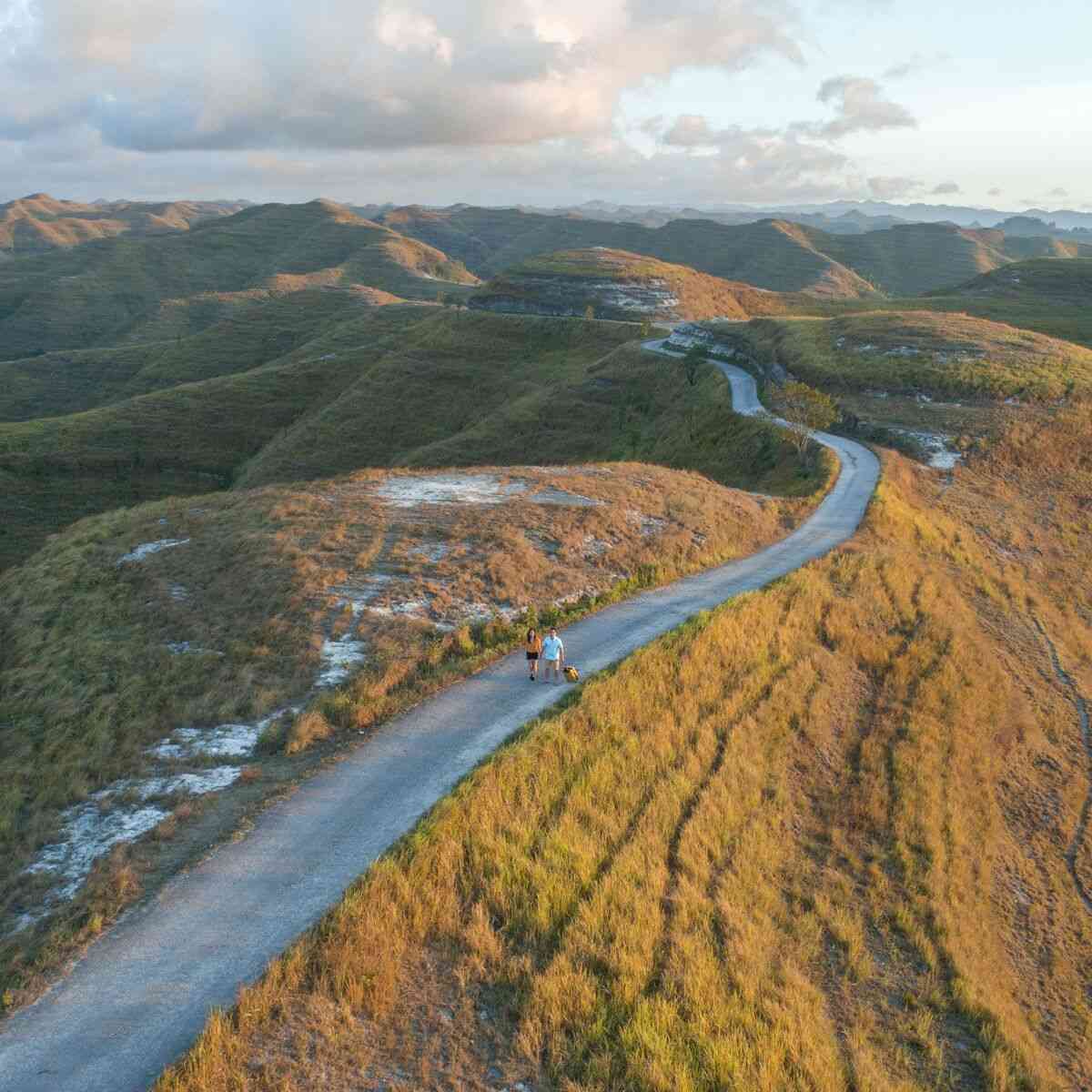
Choosing the best time for your luxury Sumba escape means aligning your desires with the island’s rhythms, primarily dictated by its distinct dry and wet seasons. The sweet spot for most discerning travelers seeking sun-drenched days, pristine waters, and vibrant cultural immersion typically falls within the dry season, from April to October.

  • Dry Season (April-October): Offers consistent sunshine, optimal marine conditions, and accessible landscapes.
  • Shoulder Seasons (April-June, October-November): Provides a balance of good weather, fewer crowds, and often more attractive pricing.
  • Wet Season (November-March): Transforms the island into a lush, emerald paradise, ideal for cultural deep dives and dramatic photography, with significantly fewer visitors.

Imagine the scent of frangipani carried on a gentle breeze, the rhythmic crash of turquoise waves against an untouched shore, and the warmth of the equatorial sun on your skin as you recline by an infinity pool overlooking the Indian Ocean. This is the promise of Sumba, an island where time slows and luxury finds its most authentic expression. To truly unlock the magic of this Indonesian gem, understanding its seasonal nuances is paramount. From the crystalline clarity of its surf breaks to the hushed reverence of its ancient villages, every month presents a unique facet of luxury Sumba, shaping your experience of its wild beauty and rich heritage.

April to June: The Golden Transition into Dry Season Splendor

As the last vestiges of the wet season recede, Sumba awakens in a vibrant spectacle of green and gold. April marks the true beginning of the dry season, a period cherished by those who seek both lush landscapes and sun-drenched skies. Rainfall dwindles significantly, with average precipitation dropping to around 70mm in April, further decreasing to a mere 30mm by June. The air, still carrying a hint of the recent rains, feels fresh and clean, while temperatures consistently hover between a comfortable 27°C and 30°C. This shoulder period is exceptional for exploring the island’s interior; waterfalls like Lapopu still thunder with impressive volume, and the rice paddies shimmer with a verdant intensity not seen later in the year. For the equestrian enthusiast, the landscapes are perfect for long rides, often stretching for 20 kilometers along secluded beaches.

Marine conditions during these months are rapidly improving. Swells begin to arrive more consistently from the south, offering excellent, uncrowded surfing opportunities at world-renowned breaks. Visibility for diving and snorkeling around the pristine reefs off the west coast of Sumba reaches an impressive 15-20 meters, allowing for breathtaking encounters with vibrant coral gardens and a diverse array of marine life. This early dry season sees fewer international visitors compared to the peak months, translating into a more intimate and exclusive experience at Sumba’s premier resorts. Accommodation rates often present a more attractive value, typically 10-15% lower than high-season prices, offering an enticing window for a truly bespoke luxury Sumba escape. It’s a time when the island feels like a private sanctuary, perfect for quiet reflection and deep immersion.

July to September: Peak Dry Season & Pristine Conditions

These months represent the zenith of Sumba’s dry season, a period characterized by relentless sunshine, minimal humidity, and consistently clear skies. Daily temperatures average a pleasant 28°C, with virtually no rainfall (often less than 10mm per month). This is Sumba at its most accessible and picture-perfect, drawing discerning travelers from around the globe. The landscapes, while drier than earlier in the year, retain their dramatic beauty, with golden savannahs contrasting sharply against the deep blue of the sky and ocean. The air is crisp, and the evenings offer cool, star-studded skies perfect for al fresco dining and stargazing.

For water sports enthusiasts, July to September is the absolute prime time. Consistent ground swells from the Indian Ocean deliver world-class waves, attracting surfers to legendary spots. Dive and snorkel conditions are unparalleled, with underwater visibility often exceeding 25 meters, revealing an astonishing biodiversity of reef sharks, manta rays, and kaleidoscopic fish schools. The average water temperature remains a balmy 26-28°C, making extended marine excursions profoundly enjoyable. However, this period coincides with peak international travel, meaning Sumba’s exclusive resorts experience higher occupancy. Booking well in advance—typically 6-9 months—is essential to secure your preferred dates and accommodations. Pricing during these months reaches its premium, reflecting the high demand and optimal conditions, with rates often 20-25% higher than the shoulder seasons. While crowds are relative on an island as vast as Sumba, you will encounter more fellow travelers at popular spots and resorts. Indonesia.travel highlights Sumba’s allure during this period, emphasizing its pristine nature.

Optimal Marine Exploration

The consistent trade winds and calm seas of July through September create ideal conditions not just for surfing, but also for sailing and exploring Sumba’s hidden coves and untouched beaches. Chartering a private yacht or traditional phinisi offers an unparalleled way to experience the coastline, with opportunities for remote beach picnics and snorkeling in secluded lagoons. The marine ecosystems are at their most vibrant, making it an extraordinary time for underwater photography and wildlife spotting, from sea turtles to various pelagic species.

October to November: The Shoulder Season’s Serene Charm

As the dry season gracefully transitions into the wet, October and November present a compelling case for the discerning traveler seeking a blend of excellent conditions, fewer crowds, and more favorable pricing. The sun still dominates the skies, particularly in October, with average temperatures holding steady at 29-31°C. Rainfall begins to increase subtly, averaging around 80-120mm per month, often manifesting as brief, refreshing afternoon showers that quickly give way to sunshine. The landscapes begin to regain their lush vibrancy, as the earth drinks in the initial rains, painting the island in richer greens.

Surfing conditions remain strong in early October, gradually becoming less consistent as the season progresses, though still offering enjoyable waves for various skill levels. Diving and snorkeling visibility remains very good, typically 15-20 meters, before the heavier rains later in the year might affect clarity in certain areas. This period offers a fantastic window for cultural immersion. Many local ceremonies and agricultural festivals occur as the communities prepare for the planting season, providing authentic opportunities to witness Sumba’s living heritage firsthand. Fewer tourists mean more intimate interactions with local communities and a greater sense of discovery. Resorts often offer more attractive packages and availability, with prices typically 10-15% below peak season rates. It’s a strategic choice for travelers who prioritize tranquility and value, without significantly compromising on weather or activities. Consider exploring the unique textile traditions of Sumba during this time; a visit to a local village like Prailiu or Praijing offers profound insights into the intricate craft of Ikat weaving, a cultural cornerstone.

December to February: The Green Season’s Embrace & Cultural Depths

Sumba’s wet season, from December through February, is often misunderstood by those solely chasing perpetual sunshine. While it brings higher rainfall, averaging 200-300mm per month, it also transforms the island into an emerald paradise, revealing a different, equally captivating side of luxury Sumba. Showers tend to be intense but intermittent, often occurring in the late afternoon or overnight, leaving mornings and early afternoons clear and bright. Temperatures remain warm, around 28-30°C, and the humidity increases, but the air feels alive and fresh. The island explodes in verdant foliage; waterfalls swell to magnificent proportions, rivers flow strongly, and the rice paddies become mirrors reflecting the dramatic skies. This is a photographer’s dream, with moody clouds and intense natural light creating breathtaking scenes.

Crowd levels during the wet season are at their lowest, offering an unparalleled sense of solitude and exclusivity. For those seeking genuine cultural immersion, this can be an ideal time. Many significant traditional ceremonies, including the preparations for the iconic Pasola ritual (which typically occurs in February or March), take place within this period. While marine conditions for diving and snorkeling can be affected by runoff and choppier seas, especially near river mouths, certain sheltered spots still offer decent visibility. Surfing is still possible, with fewer crowds, though wave consistency can vary. Resort pricing reaches its lowest point, often 20-30% less than peak season, making a luxury experience more accessible. This is the time to truly unwind, enjoy the dramatic beauty from your private villa, indulge in spa treatments, and delve into the island’s rich spiritual traditions without distraction. Consult Wikipedia’s Sumba page for insights into the island’s unique cultural practices during this period.

Pasola: A Cultural Spectacle

The Pasola ritual, a traditional bareback horseback jousting festival, is one of Sumba’s most famous and awe-inspiring events. While its exact dates are determined by the full moon and the arrival of sea worms (nyale) – typically falling in February or March – the surrounding wet season months are when communities prepare. Attending Pasola is a profound privilege, offering a raw, unfiltered glimpse into Sumba’s animist beliefs and warrior heritage. Planning a trip around this sacred event requires flexibility and local guidance, but the reward is an unforgettable cultural journey that defines the essence of Sumba. The energy of hundreds of warriors on horseback, adorned in traditional attire, converging on the fields is palpable, a truly sensory experience unlike any other.

March: The Pasola Prelude & Renewed Vibrancy

March represents the tail end of the wet season, a month of transition where Sumba begins to shed its heavy rains and prepare for the dry season’s arrival. Rainfall starts to decrease, averaging around 150-200mm, with sunny intervals becoming more frequent and prolonged. The island remains incredibly lush and green, a vibrant canvas of life. Temperatures are warm, typically 29-31°C, and the air feels fresh after the rains. This period is particularly interesting for cultural travelers, as it often coincides with the Pasola festival, which can occur in late February or early March depending on the lunar calendar and local omens. Witnessing this ancient ritual is a powerful, transformative experience that transcends typical tourism, offering a deep dive into the heart of Sumba’s spiritual world. We recommend checking with local guides or our concierge for specific Pasola dates.

Crowds remain low in March, offering an exclusive and peaceful atmosphere. While marine conditions are still recovering from the wet season, with visibility around 10-15 meters, the surf can be excellent for those willing to seek out the right breaks, often with very few other surfers. Pricing remains attractive, similar to the wet season, presenting a valuable opportunity for a luxury escape before the peak season surge. It’s a time of renewal, where the island pulses with a quiet energy, ideal for exploring the megalithic tombs, visiting traditional villages, and connecting with the profound spirituality of the Sumbanese people. Consider a visit to Praijing Village, a meticulously preserved traditional settlement, where the intricate architecture and communal spirit offer a window into Sumba’s enduring heritage, a short drive from many luxury accommodations.

Planning Your Luxury Sumba Escape: A Pricing & Crowd Overview

Understanding the interplay of weather, marine conditions, and local events is key to tailoring your luxury Sumba experience. But for many, the practical considerations of pricing and crowd levels are equally important. Sumba, by its very nature, never feels “crowded” in the way more developed destinations might, yet the dry season months of July to September undeniably see more visitors and higher demand for its exclusive resorts. During this peak period, expect to book 6-9 months in advance, with accommodation rates peaking, often 20-25% higher than the shoulder seasons. Flight availability into Tambolaka Airport (TMC) or Waingapu Airport (WGP) from Bali (Denpasar, DPS) also becomes more competitive, with direct flights typically taking just over an hour.

The shoulder seasons—April to June and October to November—offer a compelling balance. You’ll enjoy excellent weather, particularly in the earlier part of these windows, with fewer fellow travelers. This translates to more readily available resort bookings, often with rates 10-15% lower than peak. It’s an ideal time for those who seek a blend of optimal conditions and a more serene atmosphere. The wet season, from December to March, is the period of lowest demand. This is when you’ll find the most significant savings, with resort rates typically 20-30% below peak season pricing. While the weather is wetter, the island’s transformation into a verdant paradise and the profound cultural opportunities, especially around Pasola, offer a unique and deeply rewarding experience for the adventurous luxury traveler. Regardless of when you choose to visit, direct flights from Bali are generally available daily, making access to this untouched paradise relatively straightforward.

Ultimately, the “best” time for your luxury Sumba journey depends entirely on your personal preferences. Do you crave endless days of sun and world-class surfing? Aim for July to September. Are you drawn to lush landscapes, cultural immersion, and fewer footprints in the sand? The shoulder seasons or even the green season might be your ideal. For a truly unique and deeply authentic engagement with Sumba’s spiritual heart, aligning your visit with the Pasola festival is an unparalleled opportunity. Whichever season calls to you, Sumba promises an escape that transcends the ordinary, a place where luxury is defined not just by exquisite comfort, but by profound connection to nature and culture. Begin planning your bespoke Sumba adventure today, and let the island reveal its timeless allure to you.

💬