Sustainability — Luxury Sumba’s Environmental & Community Commitments

Sustainability & Community Impact

A Pledge to Preserve the Magic of Sumba

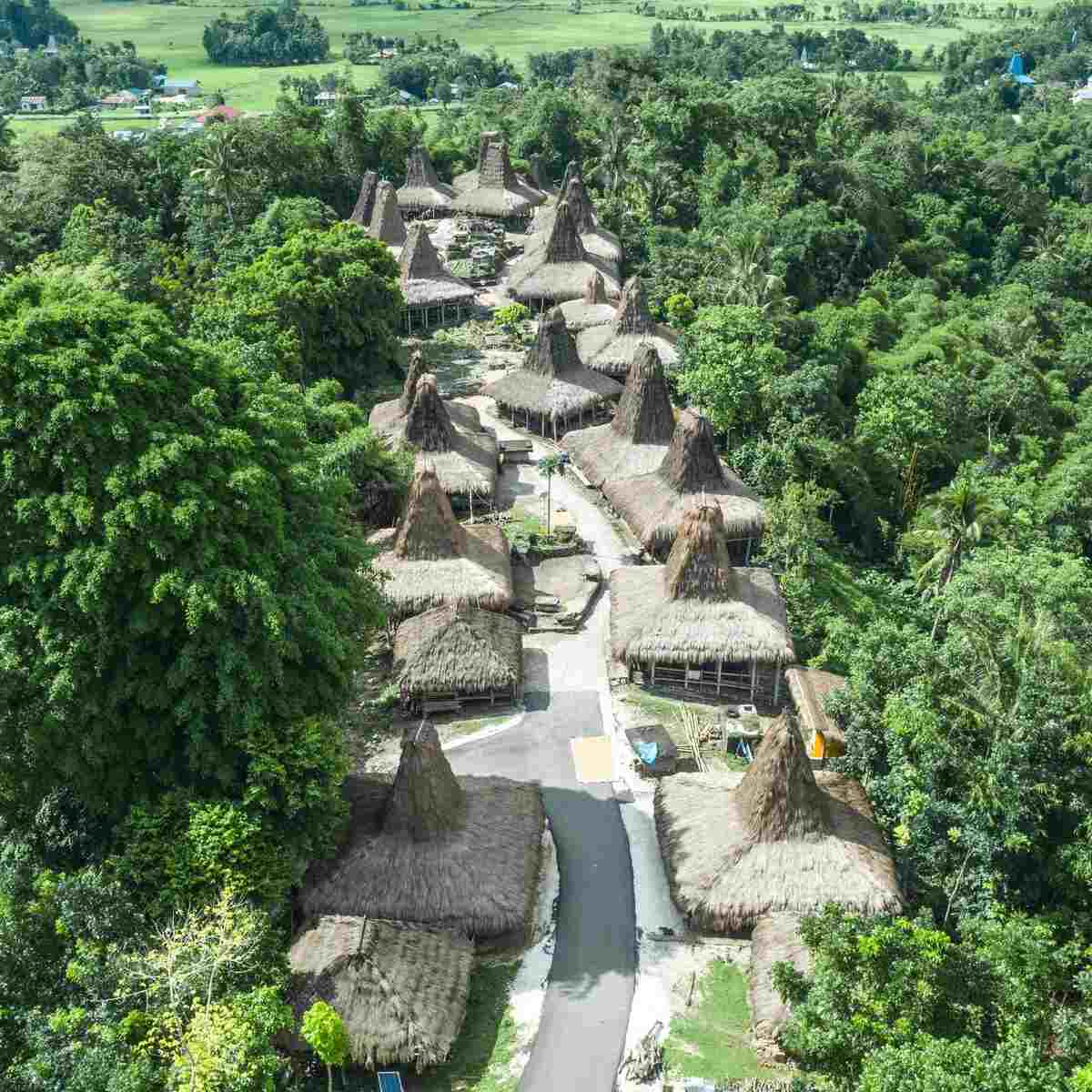
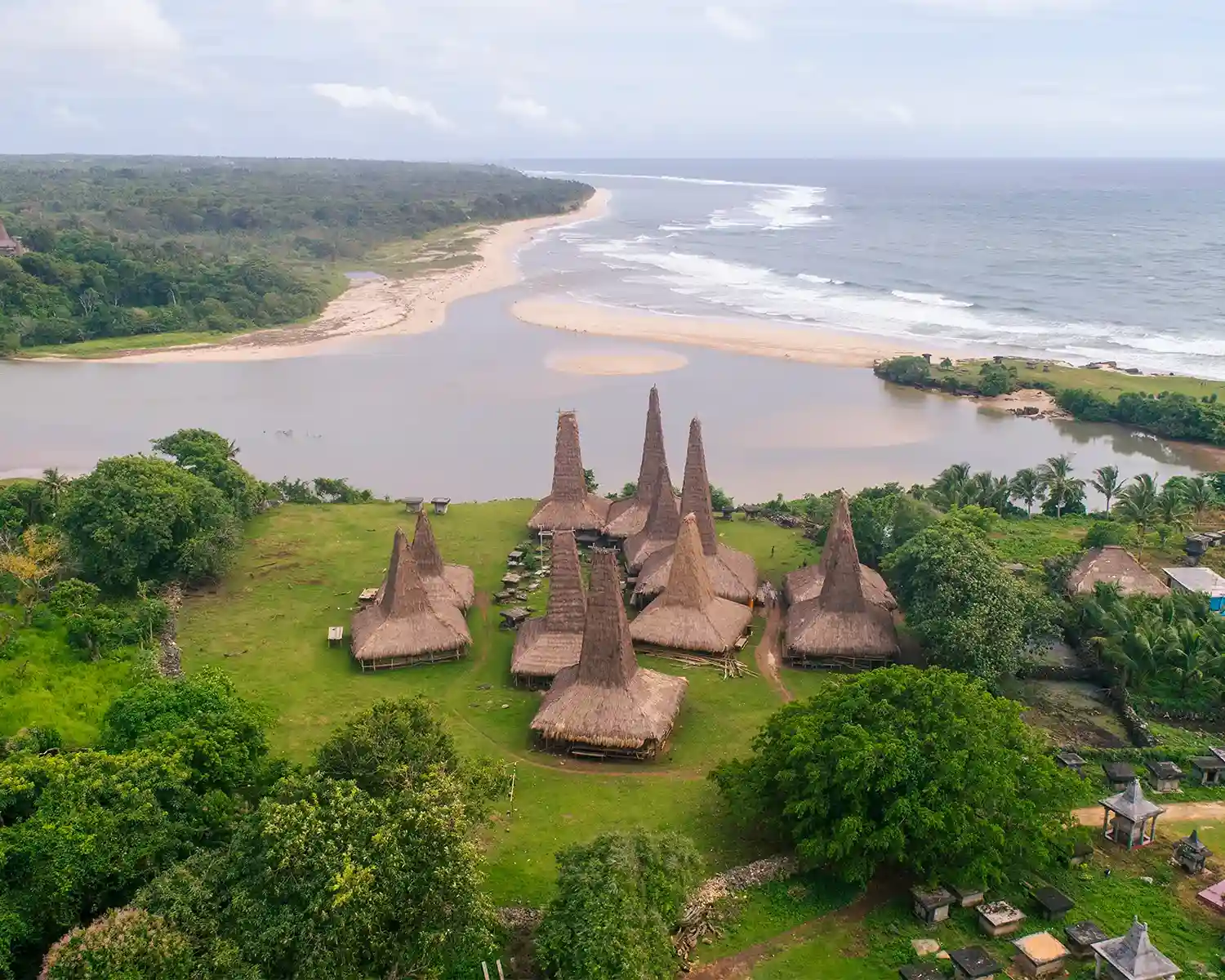
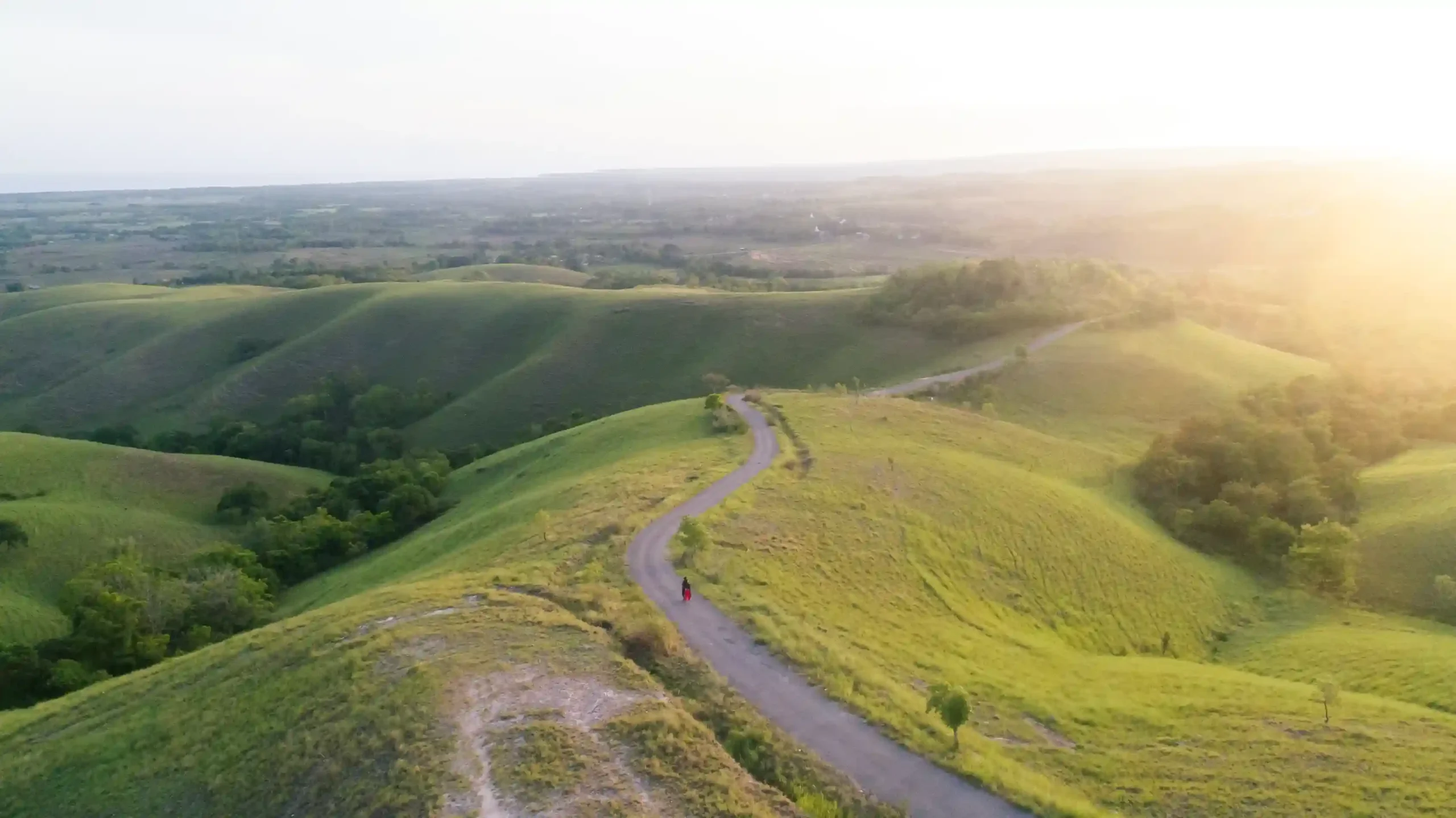
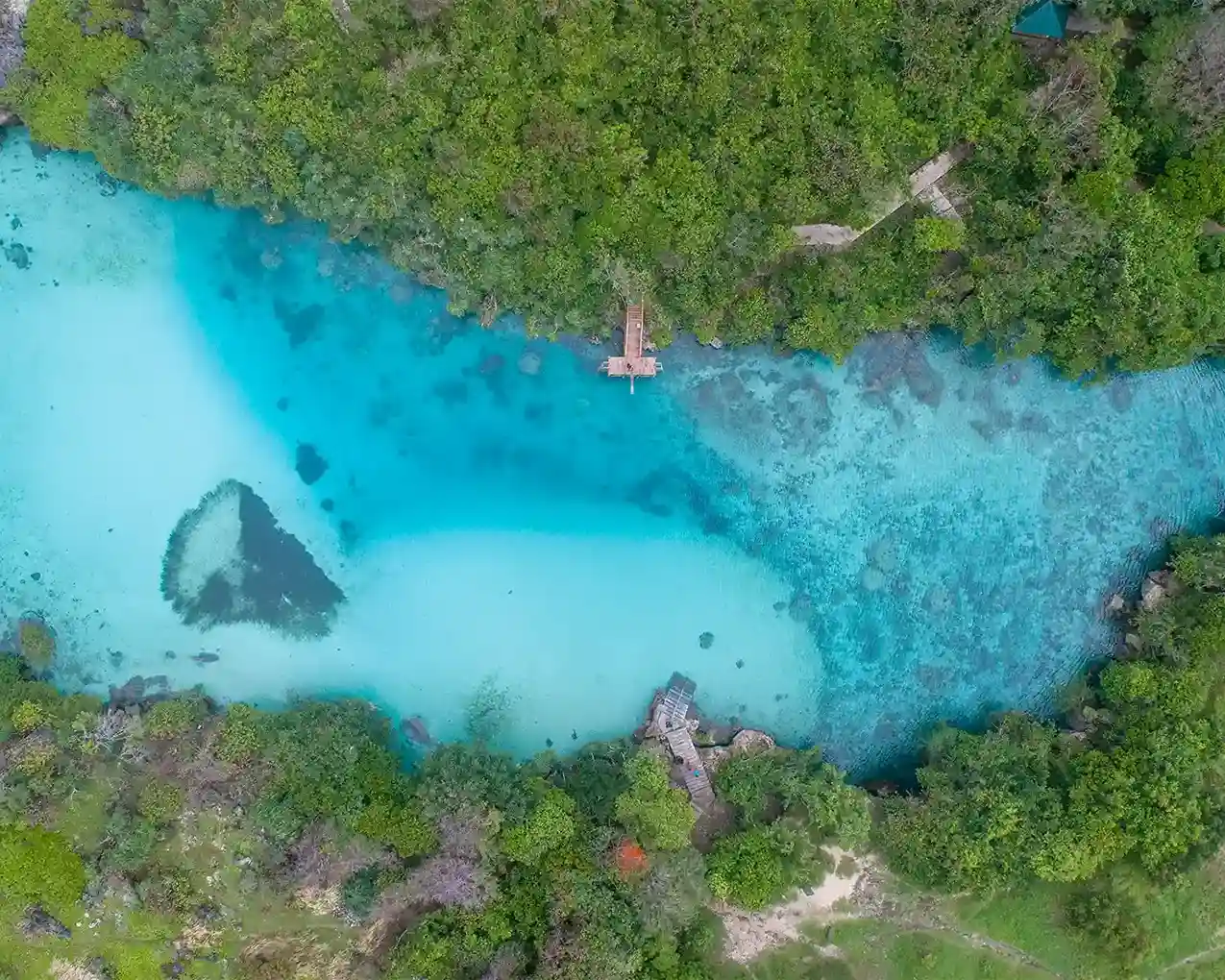
Sumba’s allure lies in its pristine landscapes and vibrant, ancient culture. At Luxury Sumba, we believe we have a profound responsibility to protect these irreplaceable assets. Our commitment to sustainability is not an afterthought; it is woven into the fabric of our operations and philosophy. We are dedicated to a model of tourism that is regenerative, respectful, and creates lasting positive impact for the environment and the people of Sumba. Our approach is guided by the Indonesian principle of Tri Hita Karana—harmony among people, nature, and the divine.

Environmental Stewardship

We are committed to minimizing our ecological footprint and actively contributing to the conservation of Sumba’s unique ecosystems.

  • Carbon Offsetting Program: We calculate the carbon emissions from all client travel, including flights and ground transportation, as well as our own operational footprint. We then offset 100% of these emissions through a partnership with the Rimba Raya Biodiversity Reserve, a certified REDD+ project in Indonesian Borneo that protects vital peatland forests.
  • Zero Single-Use Plastics: We enforce a strict no-single-use-plastic-bottle policy across all our operations. Clients are provided with personalized, reusable water flasks, and our vehicle fleet is equipped with filtered water dispensers. We work with our hotel partners, like Nihi and Lelewatu, to support their own comprehensive plastic reduction initiatives.
  • Marine Conservation Support: Sumba is part of the Savu Sea, a critical marine ecosystem. A portion of the revenue from every marine-based activity (such as surfing, diving, or boat charters) is donated to Konservasi Indonesia to support their local marine protected area (MPA) management and community-based coastal conservation programs.

Community Empowerment & Cultural Preservation

Our goal is to ensure that tourism provides tangible, long-term benefits to the local communities who are the true custodians of the island’s heritage.

  • Direct Partnership with The Sumba Foundation: We are a proud corporate partner of The Sumba Foundation. A significant portion of every booking fee is donated directly to their transformative projects, which have been instrumental in eradicating malaria, providing access to clean water through wells, and funding schools and nutritional programs across the island.
  • Local Employment & Fair Wages: We prioritize hiring locally. Over 90% of our on-the-ground guides, drivers, and support staff are residents of Sumba. We are committed to paying fair, living wages that are significantly above the regional minimum, and we provide ongoing professional training and development.
  • Supporting Indigenous Craftsmanship: We facilitate ethical and direct access for our clients to purchase authentic, hand-woven Ikat textiles from artisan cooperatives in villages like Rende and Prailiu. We ensure 100% of the sale price goes directly to the weaver and her family, bypassing exploitative middlemen.
  • Respectful Cultural Engagement: Our tours to traditional villages and sacred sites are designed in close consultation with community elders (*Rato*). We operate in small, unobtrusive groups, adhere to all local customs, and ensure the community receives a direct economic contribution for their time and hospitality. This is a core part of our evaluation process for all cultural experiences.

A journey with Luxury Sumba is an investment not only in an unforgettable experience but also in the sustainable future of this remarkable island.


Continue exploring Luxury Sumba:
Our Luxury Sumba Service ·
Meet Our Team ·
Editorial Standards ·
Methodology ·
Sustainability ·
Safety & Compliance

Deepening environmental initiatives for Sumba’s precious ecosystems

The whisper of the casuarina trees on Sumba’s wild shores, the vibrant ikat patterns woven by skilled hands, and the ancient megalithic tombs standing silent guard over generations—these are the irreplaceable treasures Luxury Sumba is dedicated to safeguarding. Sumba, a lesser-known jewel in Indonesia’s Nusa Tenggara archipelago, boasts an extraordinary mix of life, home to endemic species like the magnificent Sumba hornbill (Rhyticeros everetti). We actively participate in biodiversity conservation, protecting critical habitats and partnering with local conservationists to monitor

Innovative Sustainable Practices at Nihi Sumba

Nihi Sumba, a leading luxury resort in East Nusa Tenggara, Indonesia, has implemented several innovative sustainable practices that reflect its commitment to environmental stewardship. The resort utilizes solar power as a primary energy source, significantly reducing its carbon footprint. This commitment to renewable energy not only minimizes dependence on non-renewable resources but also sets a benchmark for sustainable luxury in remote locations. Additionally, Nihi Sumba has established an extensive water conservation program. By harvesting rainwater and implementing greywater recycling systems, the resort ensures efficient water use despite the island’s dry season, which typically spans from May to October. These efforts are particularly crucial on Sumba, where water scarcity can impact local communities. Furthermore, Nihi Sumba engages in waste management practices that prioritize recycling and composting, reducing landfill contributions. Organic waste is converted into compost to nourish the resort’s gardens, which supply fresh produce to Ombak, their main restaurant. This closed-loop system not only benefits the environment but also enhances the dining experience for guests. By integrating these sustainable practices, Nihi Sumba exemplifies how luxury and ecological responsibility can coexist, offering guests an opportunity to enjoy the island’s natural beauty while supporting its preservation.

Community Engagement and Cultural Preservation

Nihi Sumba’s commitment to sustainability extends beyond environmental initiatives to include robust community engagement and cultural preservation efforts. The resort collaborates closely with local communities to support education and health initiatives, recognizing the critical role of social responsibility in sustainable tourism. Through partnerships with local schools, Nihi Sumba provides educational resources and scholarships, empowering young Sumbanese to pursue higher education and vocational training. Additionally, the resort supports local artisans by showcasing traditional crafts within its premises, offering guests authentic cultural experiences while providing artisans with a sustainable source of income. Nihi Sumba also organizes cultural events and workshops, allowing guests to engage with Sumba’s rich heritage. These initiatives promote cultural exchange and understanding, ensuring that tourism benefits the local community without compromising their traditions. By investing in the well-being and cultural wealth of the Sumbanese people, Nihi Sumba fosters a sustainable tourism model that honors the island’s unique identity. This holistic approach not only enriches the guest experience but also contributes to the long-term sustainability of Sumba’s communities and cultural heritage.

Logistical Considerations for Sustainable Tourism

Operating a luxury resort in the remote setting of Sumba, Indonesia, presents unique logistical challenges that Nihi Sumba addresses with a sustainable focus. The island’s infrastructure, while improving, still requires careful planning, especially in transporting goods and services to the resort. Nihi Sumba prioritizes sourcing materials and produce locally to minimize the environmental impact associated with long-distance transport. This approach not only supports local economies but also reduces carbon emissions linked to transportation. Additionally, the resort has implemented a supply chain strategy that emphasizes bulk purchasing and consolidated shipments, further decreasing its carbon footprint. The resort also trains its staff in sustainable practices, ensuring that daily operations align with eco-friendly standards. These training programs include waste reduction techniques, energy conservation methods, and strategies for minimizing plastic use. During the rainy season, typically from November to April, the resort prepares for potential disruptions by maintaining robust contingency plans to ensure operations remain sustainable and efficient, regardless of weather conditions. By addressing these logistical considerations with sustainability at the forefront, Nihi Sumba demonstrates its commitment to reducing its environmental impact while providing a luxurious and responsible travel experience.

💬